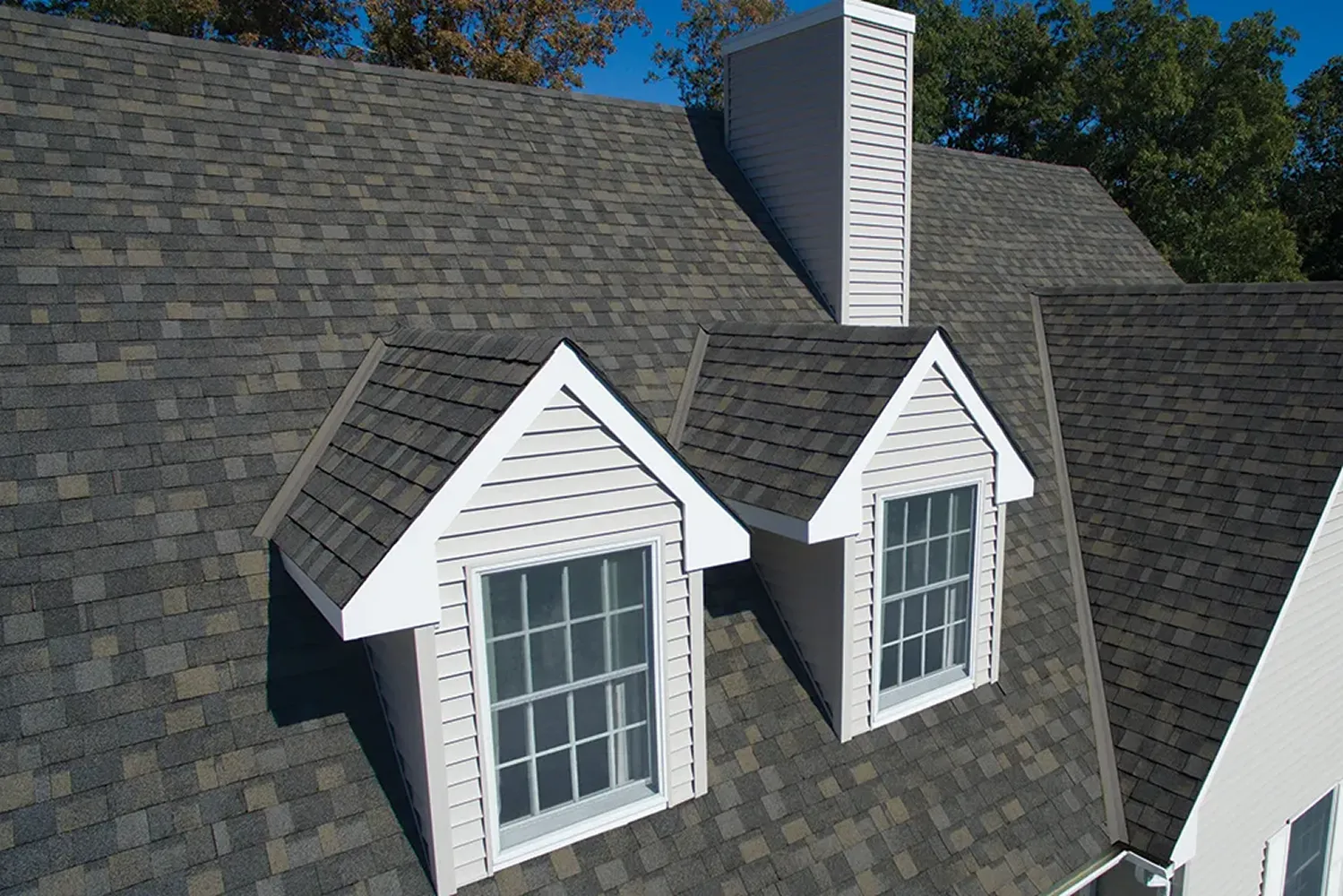
Top Tips for Choosing the Best Commercial Roofing Contractor
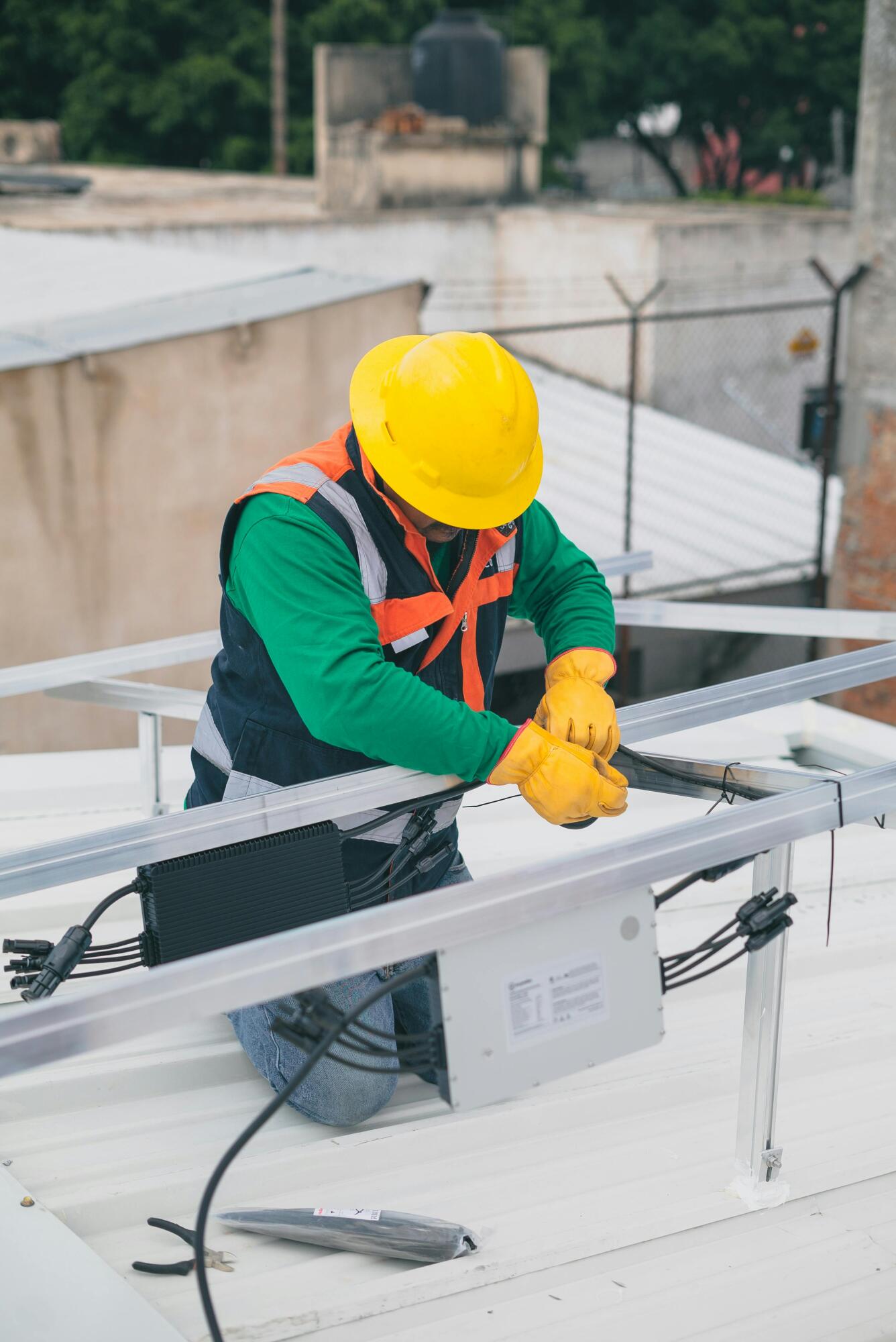
Top tips for choosing the best commercial roofing contractor include opting for a local company, checking experience, and asking for references and reviews.
Verifying licenses, insurance, and credentials, reviewing workmanship and safety standards, evaluating the company's communication style, and asking about warranties and service terms are also advised. Additionally, you should get multiple quotes before making a decision.
Earlier this month, the roof of a building in Garland, Texas, collapsed after a North Texas spring storm due to the weight of standing water that had accumulated on the roof. Although the state often experiences heavy rainfall, this could have been avoided with high-quality, professional commercial roofing work.
Proper installation, proactive maintenance, and effective drainage systems prevent water accumulation, helping to ensure a roof can handle the heavy weight of water and maintain structural integrity. Finding an experienced Texas roofing company can help your building avoid the same fate.
Why Choosing the Best Commercial Roofing Contractor Matters
The incident above is a perfect example of why choosing the best commercial roofing contractor in Texas is essential. Doing so not only protects your building from extreme weather but also ensures long-term performance and minimizes business downtime.
Commercial roofing projects are typically complex and require specialized experience, not just general roofing knowledge. Professional roofing experts with in-depth knowledge of commercial roof installations will use high-quality materials and offer robust warranties, while strictly adhering to Texas building codes, allowing you to save on long-term maintenance costs.
Here's how to choose trusted roofing contractors:
Start with Local Contractors
Grand Prairie, TX, experiences extreme weather, making it crucial for business owners to ensure their roofs can withstand these natural, yet unpredictable hazards.
Local roofers understand regional weather patterns, building codes, and common roofing challenges that are unique to the state. Their proximity also contributes to faster emergency response while making communication, follow-up, and site visits easier.
Check Commercial Roofing Experience
Installing a high-quality commercial roof that lasts starts with choosing a contractor with direct experience in commercial projects. Texas has several commercial roof types known for their ability to handle:
- Intense heat
- Ultraviolet (UV) rays
- High wind scenarios
- Heavy rainfall
Regardless of the roofing system you choose, it is advisable to select a roofing contractor with experience installing and repairing the same roof type or materials used on your building. Assess their expertise by asking how many similar projects they have completed and whether they can show you a portfolio.
Ask for References and Reviews
Client referrals are one of the best ways to verify a commercial roofing contractor's reliability. Many business owners are happy to provide candid reviews of their experiences. Key factors to speak about with past commercial clients include:
- Quality
- Timeliness
- Communication
You can also check online reviews and a company's local reputation, as both can indicate additional signs of trust.
Verify Licensing, Insurance, and Credentials
A company that offers top roofing services should be licensed and insured. Credentials help confirm the contractor meets legal and professional standards. Experienced roofing companies, such as Blue Nail Roofing & Construction, are among the 2% of roofing contractors nationwide awarded with GAF Master Elite® Contractor certification.
A certification such as this generally signals higher workmanship standards. It also signifies that the contractor is reputable and committed to ongoing professional training.
Review Workmanship and Safety Standards
The Garland company's experience highlights the crucial role of quality installation in roof performance and warranty protection. A qualified contractor should be able to describe safety practices and installation procedures clearly. Although the best roofing solutions incorporate top-quality materials, poor workmanship can still lead to long-term problems even with high-end inputs.
Ask About Warranties and Service Terms
Warranties are a standard industry practice in Texas. A reliable contractor that offers them should be able to explain both material and workmanship warranties. Ask how they handle warranty claims and if ongoing support is available after installation. Written terms regarding this and other service elements help reduce confusion later.
Evaluate Communication and Responsiveness
The magnitude and complexity of commercial roofing projects make clear and timely communication essential. When liaising with potential contractors, be attentive to their response time and how they address your questions. Their professionalism should start during the quoting stage and often reflects how the project will be managed.
How to Compare Detailed Quotes
Requesting multiple quotes is another key factor when choosing a commercial roofing contractor. While comparing quotes, ensure the following is clearly indicated:
- Materials
- Labor
- Timeline
- Any potential extra charges
If working within a strict budget, avoid choosing a contractor solely based on the lowest bid. Unusually cheap estimates may omit important costs or quality.
Frequently Asked Questions
What Are Red Flags When Hiring a Commercial Roofing Contractor?
Key red flags when hiring a commercial roofing contractor include:
- A lack of or no evidence of proper licensing, insurance, or credentials
- An inability to provide local or any references
- Suspiciously low bids
While low prices might seem great at first, they can also reflect the use of inferior materials, poor service quality, or scams that can impact warranty claims.
Additionally, be vigilant if they are unable to explain their warranty terms and safety procedures, use pressure tactics, demand large, upfront payments, or fail to provide a written, detailed contract.
What Are the 5 Functional Requirements of a Commercial Roof?
The five functional requirements of a commercial roof include:
- Structural stability to support the roof's weight
- Fire resistance for safety
- Proper insulation or energy-efficient materials to manage internal temperatures
- Weatherproofing
- Durability and Ease of Maintenance
Weatherproofing against moisture and ensuring durability and ease of maintenance can extend the roof's lifespan, protect the building's interior, and help to manage water drainage, ensuring the roof can withstand environmental loads.
The Best Company for Your Commercial Roofing Needs
The best commercial roofing contractor is the one with local knowledge, proven experience, and strong references. They should also have proper credentials and clear pricing.
Blue Nail Roofing & Construction meets all these requirements. We are not only licensed and insured but also have one of the top certifications, awarded to 2% of roofing contractors nationwide. We are committed to providing business owners with exceptional customer service and transparency, high-quality materials backed by industry-leading warranties, and flexible financing options.
Take the first steps to safeguarding your building with our FREE expert assessment.
Have More Questions? We’ve Got the Answers.
Continue browsing expert tips, project highlights, and home‑improvement advice, or reach out now to discuss your next project.
Schedule Your Free Expert Assessment Today!
Protect your investment with expert roof maintenance and repair services from Blue Nail Roofing & Construction