The Evolution of Roofing in Texas: Trends, Materials, and Sustainability
Roofing in Texas has evolved from basic asphalt shingles built for cost and speed into impact-rated, reflective, solar-ready systems built to survive hail, extreme heat, and rising energy bills. Homeowners across Dallas-Fort Worth now weigh storm performance and long-term efficiency alongside price. That shift reflects a state where weather, technology, and sustainability now shape nearly every roofing decision.
For the eleventh year in a row, Texas recorded more major hail events than any other state, according to the National Insurance Crime Bureau, with over 900 damaging storms reported in 2025 alone.
For a homeowner in Grand Prairie or Plano, that number translates into something familiar: a roof that looked solid two years ago already losing granules, cracking at the seams, or driving up cooling costs. Understanding how roofing has changed, and which materials hold up, can mean the difference between a roof that lasts decades and one that needs replacing every few years.
From Clay Missions to Modern Systems: A Quick Look Back
Roofing in Texas started long before shingles arrived. Native groups built portable shelters called wickiups, which used wood frames covered with hides or woven mats. These structures held up fairly well in a harsh climate, and they could move with the people who built them.
Spanish settlers brought clay tiles in the 16th century, and those tiles still define the look of missions and older homes across South and Central Texas.
Metal roofing gained ground in the 1800s, mostly on farms, ranches, and storefronts. It resisted fire, reflected sunlight, and lasted for decades with little care.
Then the 20th century changed everything. Asphalt shingles took over as the state grew, since they were cheap, quick to install, and available in many colors. That affordability shaped entire neighborhoods from Houston to Dallas.
Homes went up fast after World War II, and asphalt roofs went up with them. The priorities back then were rather simple: keep the rain out and keep costs down. Today's roofs carry a much longer list of jobs, which is exactly where the story picks up.
What Materials Are Shaping Texas Roofs Today?
Asphalt shingles still cover most Texas homes, yet the products themselves have changed quite a bit. Basic three-tab shingles have largely given way to architectural shingles, which have a thicker, layered profile that adds depth and durability.
Some homeowners now go a step further and choose Class 4 impact-resistant shingles, the highest rating available for hail protection. In storm-heavy North Texas, that upgrade often pays for itself.
Metal roofing has moved from barns to upscale neighborhoods, and frankly, the appeal makes sense. Standing-seam systems can last 40 to 70 years, reflect heat away from the home, and get fully recycled at the end of their life. Clay and cement tiles remain popular in Spanish and Mediterranean-style homes, though their weight requires strong framing underneath.
Synthetic products round out the market. These polymer and rubber composites mimic wood shake, slate, or tile, and they typically weigh less than the materials they imitate.
Experienced Texas roofing contractors help homeowners sort through these choices, since the right material depends on budget, home style, and local storm risk. Newer product lines have brought some genuinely useful features to the market, including:
- Shingles with reflective granules that lower attic temperatures in summer
- Algae-resistant coatings that prevent dark streaks on north-facing slopes
- Synthetic underlayments that resist tearing better than traditional felt
- Class 4 shingles backed by manufacturer wind warranties up to 130 mph
Design Trends: Where Style Meets Storm Resistance
Roof color used to be an afterthought, and most streets showed row after row of plain black or brown. That has clearly changed.
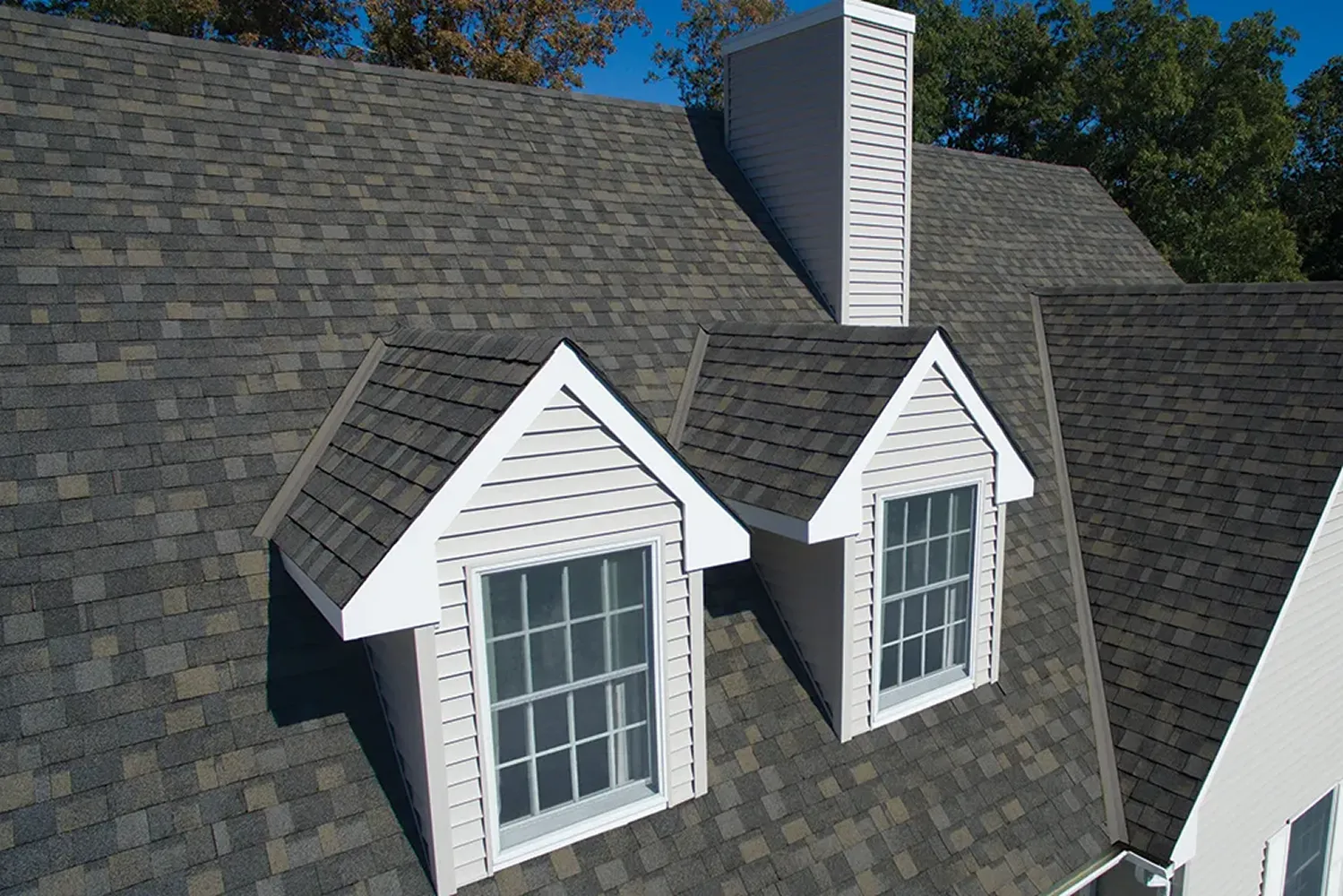
Charcoal, slate gray, moss green, and warm multitone blends now appear across new builds and remodels alike. These richer colors add depth to a home's exterior, and they often complement the brick and stone common in Texas architecture. Lighter shades are gaining ground too, since pale and reflective finishes absorb less heat during long summers.
Storm resistance drives design just as much as style does. Builders now specify reinforced fastening patterns, sealed roof decks, and impact-rated shingles in hail-prone areas.
Some modern home designs favor low-pitch rooflines, which catch less wind during severe weather. Insurance carriers have noticed this shift as well, and many now offer premium discounts for homes with impact-resistant roofs.
Technology has changed how professionals inspect roofs, too. Some roofers in Dallas, Texas, now fly drones with high-resolution and thermal cameras over a home instead of climbing every slope by hand. The camera spots cracked shingles, lifted flashing, and hidden moisture in a fraction of the time.
Homeowners get photo documentation of every issue, which really helps during insurance claims. The inspection itself becomes safer, faster, and far more thorough than a quick walk across the ridge.
Sustainability in Roofing: Cool Roofs, Solar, and Recycled Materials
Sustainability has moved from a niche interest to a mainstream demand, and Texas roofs show it. Cool roof technology leads the way here. These roofs use reflective coatings, light-colored surfaces, or specially engineered pigments that bounce sunlight away instead of soaking it up.
In a state where air conditioners run for months at a stretch, a cooler roof means lower utility bills and less strain on the entire cooling system. Many new commercial buildings now include cool roofing in their construction plans from day one.
Solar has changed shape in recent years. Traditional rack-mounted panels still work well, yet integrated options now blend electricity generation into the roof itself. Solar shingles and tiles look nearly identical to standard roofing from the street, and they turn sunlight into usable energy all day long.
Texas gets abundant sun, so the math on solar tends to work better here than in most states. Roofing companies in Dallas, Texas, increasingly train their crews on these integrated systems, since demand keeps climbing.
Recycled materials complete the sustainability picture. Shingles made from recycled rubber and plastic keep waste out of landfills, and metal roofing often contains a high share of recycled steel or aluminum. Researchers are even testing bio-based roofing materials, though those products remain a few years away from wide availability.
A homeowner shopping for a greener roof today can weigh several practical questions, such as:
- Whether the material contains recycled content or can be recycled later
- How much the surface reflects heat during the peak summer months
- Whether the product supports solar attachment without voiding its warranty
- How far the material traveled from the factory to the job site
How Does Texas's Climate Influence Roofing Choices Going Forward?
Texas covers several climate zones, and each one pushes roofing in a slightly different direction. The Gulf Coast deals with humidity, salt air, and hurricane winds. West Texas faces brutal sun and wide temperature swings. North Texas sits in one of the most active hail corridors in the country, which explains the region's growing appetite for impact-rated materials.
A roof that performs well in Houston might be the wrong choice in Amarillo, so local knowledge matters quite a lot.
Rising temperatures add another layer of pressure. Hotter summers shorten the life of standard shingles, since heat breaks down the asphalt binder over time. That reality keeps pushing homeowners toward reflective surfaces, better attic ventilation, and thicker underlayment.
Smart roof technology is starting to appear as well. Sensors embedded in the roof can now track temperature, moisture, and movement in real time, then alert the homeowner before a small leak becomes a ceiling stain.
Dallas roofing companies watch these climate patterns closely, since material choices made today have to hold up for decades of future storms. The trajectory seems clear enough.
Roofs will keep getting tougher, more reflective, and more connected, and the mix of materials on Texas streets will keep broadening beyond asphalt alone.
Why Working With a Professional Matters For Roofing in Texas
Modern roofing systems involve far more decisions than roofs did a generation ago. Impact ratings, ventilation design, reflective coatings, solar readiness, and insurance documentation all factor into a single project now.
A skilled local contractor brings knowledge of regional weather, city building codes, and insurance claim processes that an out-of-town storm chaser simply cannot match. Texas sees waves of temporary roofing crews after every major hailstorm, and homeowners who hire them often end up with warranty problems and no one to call a year later.
Installation Quality Matters as Much as Materials
Great materials paired with careless installation still produce a bad roof. A Class 4 shingle installed with the wrong nailing pattern loses much of its impact protection, and a solar-ready roof with poor flashing work invites leaks around every penetration.
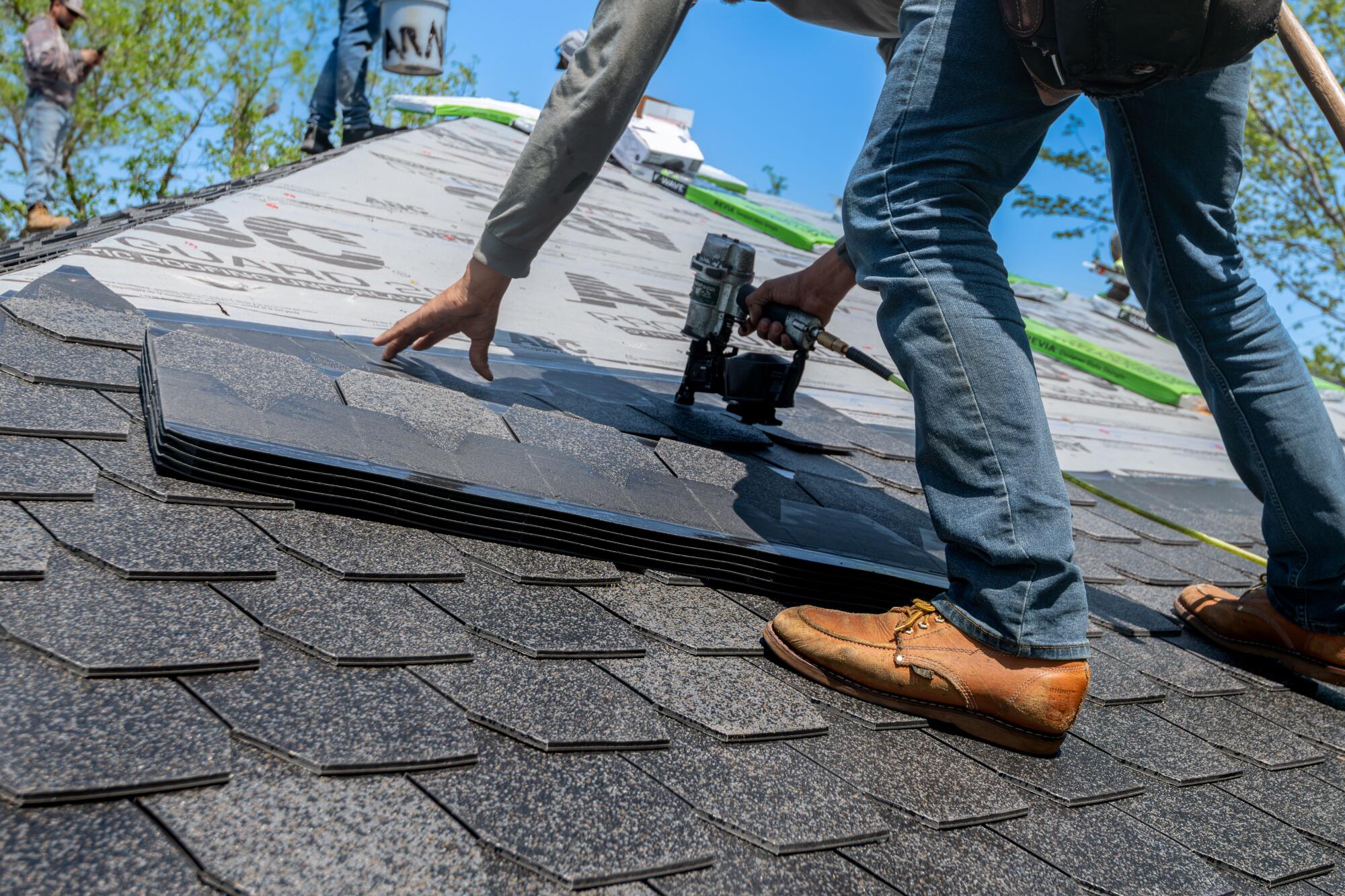
For example, Blue Nail Roofing & Construction tears off both the old shingles and the felt underneath, all the way down to the bare decking, on every residential re-roof. That extra step lets the crew inspect the wood deck for hidden rot or hail bruising before anything new goes on.
Our company has followed a repair-first philosophy since 2009, so the team looks for ways to extend the life of an existing roof before recommending a full replacement.
Credentials Separate Professionals From Part-Time Crews
Certifications from major manufacturers offer a really useful signal. They require proven installation quality, ongoing training, and strong customer reviews, which separates committed professionals from part-time operations.
A contractor who works year-round, carries full insurance, and holds top-tier manufacturer status can back their work with warranties that actually mean something.
Ask any prospective roofer about their certifications, their insurance coverage, and their process for deck inspection. The answers will tell you nearly everything you need to know, and experienced local professionals protect the investment that sits over everything else you own.
Frequently Asked Questions
How Much Does a Metal Roof Cost Compared to Asphalt Shingles in Texas?
Metal roofing typically costs two to three times more than asphalt upfront. A standard asphalt shingle roof on a Texas home usually runs between $4 and $7 per square foot installed, and standing-seam metal often lands between $10 and $16 per square foot. The gap narrows over time, though.
A metal roof can outlast two or even three asphalt roofs, so the lifetime cost per year of service often favors metal for owners planning to stay put.
How Long Does a Typical Roof Replacement Take in the DFW Area?
Most residential replacements in Dallas-Fort Worth finish in one to three days. A straightforward single-story home with asphalt shingles can actually be done in a single day when the weather cooperates. Larger homes, steep pitches, tile or metal systems, and hidden decking repairs can stretch the timeline to a week or so.
Scheduling matters too, since crews book up quickly after big storm events, and homeowners sometimes wait several weeks for a start date during peak spring season.
Do Impact-Resistant Shingles Lower Homeowners Insurance Premiums?
Some Texas insurers offer discounts for Class 4 impact-resistant roofs, and those discounts can reach 10 to 30 percent on the wind and hail portion of a premium. You will usually need to submit a certificate from your roofer confirming the product and installation date.
One caution is worth knowing before you buy, though. Some carriers exclude cosmetic damage on these tougher roofs, meaning dents that hurt the appearance without breaking the shingle may go uncovered. Read the policy language carefully, or ask your agent to walk you through it before making the upgrade.
What Is the Best Time of Year to Replace a Roof in Texas?
Fall tends to be the sweet spot. Temperatures cool down enough for shingles to seal properly, the spring hail season has passed, and crews face fewer weather delays. Late winter works fairly well too, since demand drops and some contractors offer better pricing during slower months.
Summer installs happen constantly across Texas, yet extreme heat can soften shingles during handling and makes the work harder on crews. Any season can produce a quality roof with the right team, so availability and urgency usually matter more than the calendar.
How Often Should a Texas Roof Be Inspected?
Once a year at minimum, and ideally twice. A spring inspection catches damage from winter, and a fall check confirms the roof survived hail season before cooler weather arrives.
You should also schedule an inspection after any storm that drops hail larger than a quarter, even when the roof looks fine from the ground. Bruised shingles often hide their damage for months, and most insurance policies set deadlines for filing storm claims. Many reputable local companies perform these assessments for free, which removes just about any reason to skip them.
Will a New Roof Increase My Home's Resale Value?
Yes, and usually by a meaningful amount. The Journal of Light Construction's 2025 Cost vs Value Report shows that a new roof recovers 50 to 68% of its cost at resale.
Buyers in hail-prone North Texas pay close attention to roof age, since it directly affects their future insurance rates. A recent roof with transferable warranty coverage gives buyers real confidence, and in a competitive market that advantage can push a sale across the finish line.
Protecting Your Home Through Every Texas Season
Roofing in Texas has moved from simple asphalt protection to impact-rated, reflective, and solar-ready systems built for hail, heat, and long-term efficiency. Storms, materials, and energy costs will keep pushing that evolution forward.
Blue Nail Roofing & Construction has served Grand Prairie and the greater Dallas-Fort Worth area since 2009, holding GAF Master Elite and Certified Green Roofer status shared by only a small share of Texas contractors. The team prioritizes repair and restoration first, extending the life of your roof whenever possible.
Schedule your free expert assessment today for an honest evaluation of your roof's condition.
Have More Questions? We’ve Got the Answers.
Continue browsing expert tips, project highlights, and home‑improvement advice, or reach out now to discuss your next project.
Schedule Your Free Expert Assessment Today!
Protect your investment with expert roof maintenance and repair services from Blue Nail Roofing & Construction