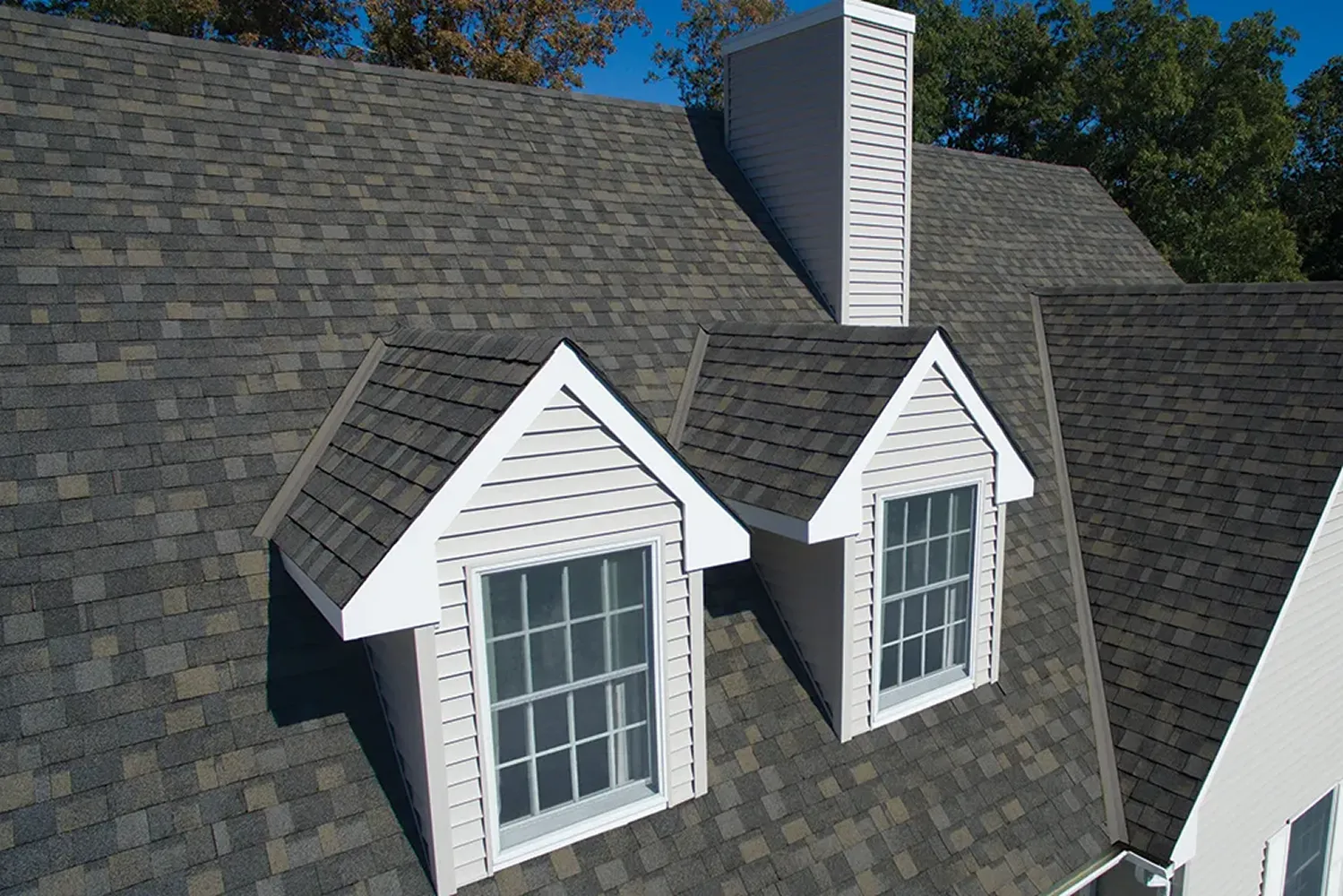
Tar Paper: The Invisible Guardian of Durable Roofing

Durable roofing depends on strong layers that protect against water, heat, and long-term wear, and tar paper plays a key role in that system. It acts as a hidden barrier that keeps moisture out and helps roofs last longer, especially in harsh weather conditions.
In the wide construction world, tar paper stands tall as a hero in roofing affairs. According to the U.S. Department of Energy, proper roofing layers can significantly improve energy efficiency and extend roof life.
Let's pull back the curtain to reveal what tar paper or roofing felt is, what it brings to the table, and how you should select a roofer who can expertly weave it into your roofing projects. We'll round out with a sneak peek into Blue Nail Roofing & Construction, a trailblazer in implementing tar paper to construct robust and enduring roofing systems.
What Is Tar Paper and Why Is It Used In Durable Roofing?
Tar paper is a key layer used in roofing to help protect against water and weather damage. It is made from a strong paper or fiberglass base that is coated in bitumen, creating a barrier that blocks moisture and adds extra protection to the roof system.
How Does Tar Paper Work During Installation?
During installation, tar paper is placed directly over the roof deck before the final roofing materials are added. It creates a protective layer that helps stop water, wind, and debris from reaching the structure underneath.
This added layer helps extend the life of the roof by reducing moisture damage and wear over time. It also gives an extra level of protection if the outer roofing materials become damaged or worn.
What Are the Key Benefits of Tar Paper Roofing?
Tar paper offers several practical benefits that help protect and extend the life of a roof. It acts as a barrier against moisture, temperature, and everyday wear.
As Waterproof as it Gets
One of the key perks of tar paper is its remarkable waterproofing prowess. It constructs a watertight barrier, safeguarding the roof deck against water damage, leaks, and decay. This is particularly crucial in areas with heavy rainfall or snowfall.
Winchester Against Condensation
Tar paper helps prevent condensation on the roof deck. It acts as a barrier that limits moisture buildup and reduces the risk of mold and mildew that can damage the roof and affect indoor air quality.
Added Layer of Insulation
Tar paper doubles up as insulation, reducing heat loss during colder months. Its energy-efficient measures can consequently cut down your heating expenses and enhance the comfort of your indoor environment.
How Is Tar Paper Used Across Different Roofing Systems?
Flexibility reigns high with tar paper. It can be used in many roofing systems, from asphalt shingles and metal roofing to tile roofs.
In roof repair and re-roofing scenarios, tar paper ensures the longevity and strength of the new roof. Both residential and commercial roofing projects can benefit significantly from this reliable, cost-effective component.
Tar Paper Vs Modern Underlayment Options
Traditional tar paper, also known as asphalt paper, is still widely used, but newer synthetic underlayments are gaining attention. These newer options are lighter and more tear-resistant, but tar paper remains popular because of its cost and proven reliability.
Tar paper remains one of the most trusted roofing materials because it balances cost and performance. Unlike synthetic layers, tar paper can absorb small amounts of moisture without failing right away. This makes it more forgiving during installation delays or unexpected rain.
What Are the Different Types of Tar Paper?
Tar paper comes in different weights and styles, and each one is designed for a specific type of roof and climate. Choosing the right weight can directly impact how long your roof lasts.
15 Pound Tar Paper
This lighter option is commonly used for basic residential projects. It provides a simple moisture barrier and works well under standard shingles. It is best for budget-friendly roofing projects where conditions are moderate.
30 Pound Tar Paper
This thicker version offers better durability and water resistance. It is often chosen for areas with heavy rain or snow. It also holds up better during installation, especially on steep or complex roofs.
Specialty Tar Paper Options
Some versions come with added reinforcements or coatings for extra strength. These are often used in high-stress environments or commercial roofing systems.
Proper Installation Is Critical for Long-Term Roof Protection
Proper installation ensures that tar paper overlaps correctly and creates a continuous barrier. Without correct layering, water can find its way underneath and damage the structure.
According to the International Association of Certified Home Inspectors, incorrect underlayment installation is a common cause of roof failure. This highlights how important skilled labor is in roofing projects. Installation mistakes are one of the biggest reasons roofs fail early.
What Should You Look for When Hiring a Commercial Roofer?
When choosing a commercial roofing company, weighing in their knowledge and experience in adeptly utilizing tar paper is paramount. Here are a few pointers to find the right one:
Dig Into Research and References
Take the initiative to research local roofing companies and gather recommendations from acquaintances who have recently revamped or repaired their roofs. Keep an eye out for companies accentuating their expertise in roofing underlayment, including tar paper.
Examine Experience and Credentials
Ensure your chosen roofer is seasoned in dealing with varied roofing projects and is suitably licensed and certified. A respected roofing company should have an impressive history of successful tar paper installations.
Detailed Proposals: A Must
While seeking quotes, request comprehensive proposals containing specifics about the tar paper they intend to use. A well-informed roofer will guide you through the upsides and applications of tar paper in your roofing game plan.
Time to Roll Out the Blue Carpet: Blue Nail Roofing & Construction
Blue Nail Roofing & Construction is your ultimate destination for all roofing essentials. Trust in our experience and comprehensive understanding of tar paper's vital role in efficient and enduring roof building. Our squad of proficient professionals excels in harnessing tar paper for maximum protection and roofing durability.
With our banner flying high, anticipate:
- Expertise: Our roofers are apt to manage various roofing projects, ensuring a proper tar paper installation for optimal waterproofing and insulation.
- Quality-Assured Materials: We vouch for top-notch tar paper that meets or surpasses industry specifications. Our choice of materials offers unmatched waterproofing properties, safeguarding your roof from potential moisture damage.
- Eye for Detail: No details are too small at Blue Nail Roofing & Construction. We guarantee a proper tar paper installation from start to finish, focusing attention on every step of the process.
When you're hunting for a roofer, consider their understanding and expertise in handling tar paper. Blue Nail Roofing & Construction gives you reliable, top-tier roofing services and a firm commitment to the significance of tar paper.
Frequently Asked Questions
How Long Does Tar Paper Last Under a Roof?
Tar paper is not meant to be the final layer, but it can last 20 to 30 years when properly installed and protected by outer roofing materials. Its lifespan depends on climate, roof design, and exposure during installation.
What Factors Affect the Performance of Tar Paper Roofing?
The performance of tar paper depends heavily on installation quality, climate, and roof design. Poor installation can lead to wrinkles or gaps that allow water to seep through over time. Even the best materials fail if the installation is sloppy.
Temperature swings can also impact how well tar paper holds up. In hotter climates, it may dry out faster, while in colder areas, it can become brittle if not properly layered.
Is Tar Paper Still Used in Modern Roofing?
Yes, tar paper is still widely used. While synthetic options exist, many contractors trust tar paper because it is proven, affordable, and easy to work with.
Can Tar Paper Help With Ice Dams?
Tar paper can help as part of a larger roofing system, but it does not stop ice dams on its own. InterNACHI explains that proper ventilation helps keep the roof deck cold, which is one of the main ways to reduce ice dam problems.
Can Tar Paper Be Used Alone as Roofing?
Tar paper should not be used as a standalone roofing surface for long periods. It is designed to act as a protective layer under shingles or other materials. Temporary use is possible, but it is not built to handle long-term UV exposure or heavy weather conditions.
What Is The Difference Between Tar Paper and Roofing Felt?
Tar paper and roofing felt are often used interchangeably. Both refer to asphalt-based underlayment materials that protect the roof deck. The main difference is in composition and branding, but their function is essentially the same.
What Makes Durable Roofing a Smart Long-Term Investment?
Durable roofing depends on how everything works together to protect your home or building. Tar paper plays a key role by acting as a hidden shield that keeps moisture out and supports the entire system.
Blue Nail Roofing & Construction combines expert installation, high-quality materials, and close attention to detail on every project. Our team focuses on long-term performance, which helps you avoid expensive repairs later.
If you want a roof that lasts and performs under pressure, work with professionals who understand every layer of the system. Contact Blue Nail Roofing & Construction to get a free roofing estimate.
Have More Questions? We’ve Got the Answers.
Continue browsing expert tips, project highlights, and home‑improvement advice, or reach out now to discuss your next project.
Schedule Your Free Expert Assessment Today!
Protect your investment with expert roof maintenance and repair services from Blue Nail Roofing & Construction