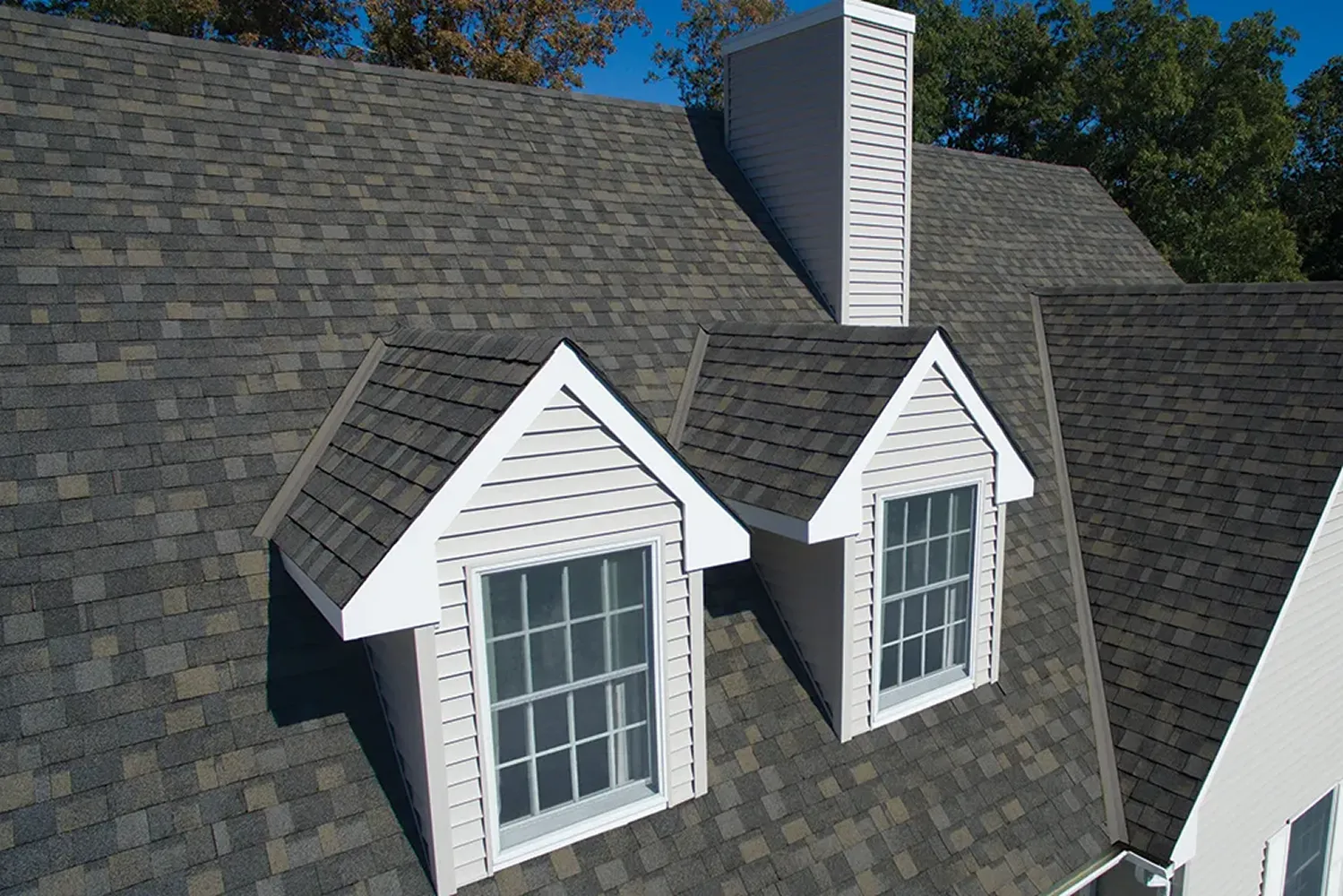
Preparing Roofs For Summer Heat
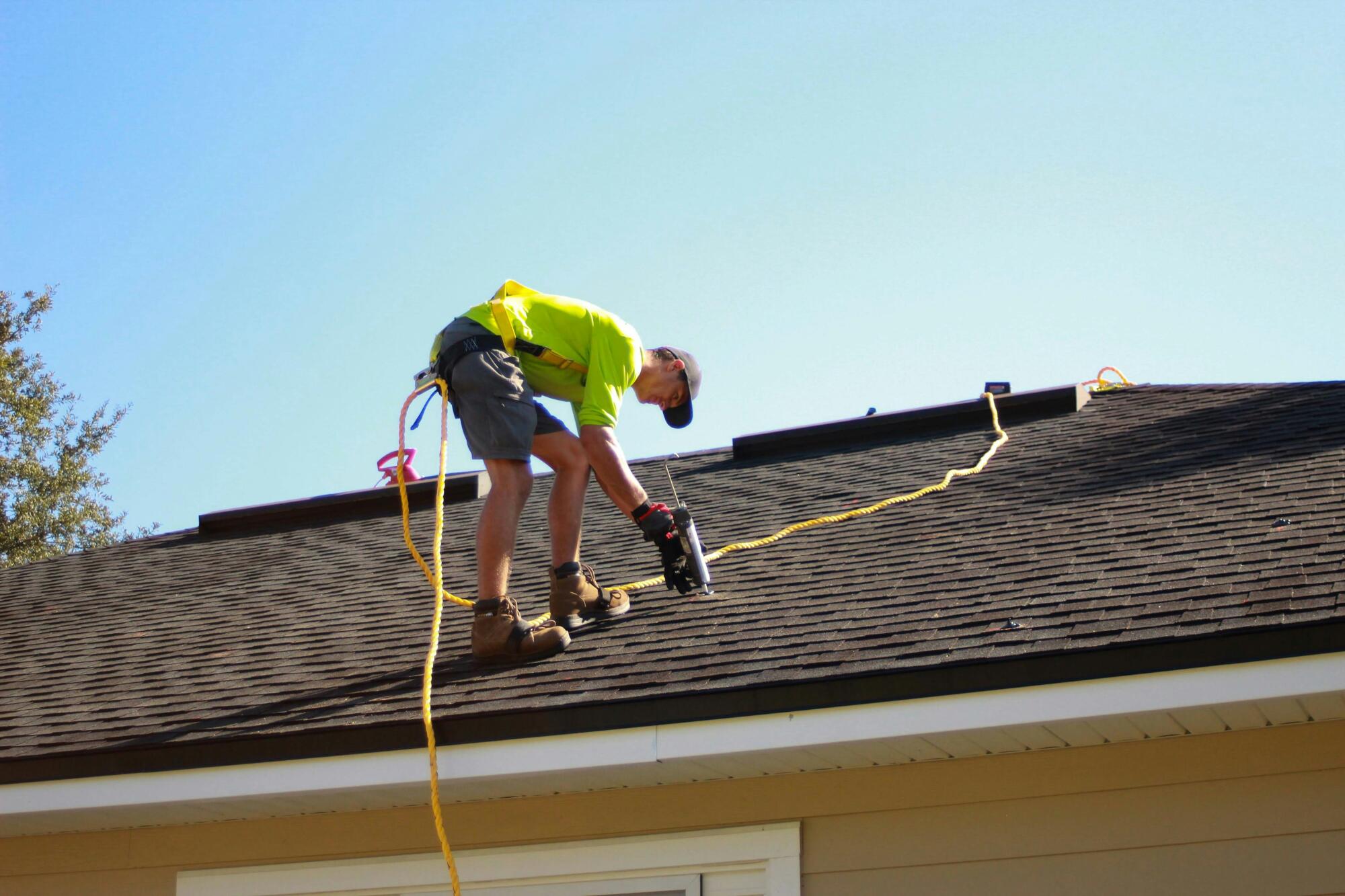
Preparing roofs for summer comes down to four steps: inspect and repair damage before peak heat, improve attic ventilation and insulation, clear debris and gutters, and consider reflective coatings or cool roofing materials. Handled early, these steps protect your shingles and cut your cooling costs.
The surface of a conventional residential roof can reach 150F on a hot summer day, according to the US Department of Energy. That kind of heat bakes shingles, warps sealants, and turns plastic vents brittle, all while your air conditioner fights the attic above it. A little preparation now spares you repair bills, energy waste, and mid-July leaks.
What Does Extreme Heat Actually Do to Your Roof?
A summer roof in Texas takes a beating that most homeowners never see up close. Ultraviolet light breaks the chemical bonds in asphalt, plastics, and sealants, and oxidation usually follows close behind. Asphalt turns rigid and brittle as it oxidizes, so the granules on your shingles carry the job of blocking that UV exposure.
Once granules wear away, the shingle underneath ages significantly faster. The same process attacks caulking, pipe boots, and the rubber seals around vents, which explains why so many summer leaks start at those small penetrations rather than in the middle of a slope.
Temperature swings cause their own trouble. A quick rain shower on a blistering afternoon can drop the roof surface temperature dramatically in minutes, and that sudden change stresses materials through uneven expansion and contraction. Fasteners loosen over repeated cycles, shingles crack and curl, and plastic vents turn chalky and fragile.
Airborne pollutants and algae add another layer of trouble, since dark staining absorbs extra heat and speeds up the whole aging process. Cracked shingles hide their damage well during dry spells, so many homeowners discover a leak only when the first big storm finally arrives.
Inspect and Repair Before Peak Summer
A thorough roof inspection in late spring catches heat damage while repairs remain small and affordable. Walk the perimeter of your home and look up at each slope, or bring in a professional if your roof is older or steep.
Small problems compound very quickly under repeated Texas heat cycles, and a $300 repair in May can become a $3,000 water damage bill by August. Older roofs deserve extra scrutiny, since materials past their tenth year have usually lost some of their protective granules already.
Skylights and flashing need their own close look during any inspection. The seal around a skylight deteriorates just like caulking does, and the metal strips around chimneys, satellite dishes, and vents loosen a little more with every heat cycle.
Pay attention to a few specific warning signs during your walkaround, including:
- Shingles that curl, blister, crack, or show bald spots
- Loose or rusted flashing around chimneys, vents, and skylights
- Chalky or brittle plastic vents and pipe boots
- Water stains on ceilings or damp attic insulation
- Sagging areas along ridges or between rafters
How Can Attic Ventilation and Insulation Keep Your Roof Cooler?
A well-built roof still suffers when the attic below it traps hot air. Poor ventilation cooks shingles from underneath, shortens their lifespan, and forces your air conditioner to fight a hotter house all summer long. Balanced airflow needs intake vents at the eaves paired with exhaust vents at the ridge, and insulation should never block those pathways.
Trapped moisture causes just as much harm as trapped heat, since condensation swells wood, loosens nails, and corrodes metal parts over time. Wood shake, tile, and metal roofs often build underside ventilation into their design, yet asphalt roofs depend almost entirely on healthy attic airflow.
Upgrading beyond basic vents tends to pay off in a hot climate. Active temperature-controlled venting moves heat out of the attic during summer and manages moisture through the colder months, and Blue Nail Roofing & Construction installs these systems alongside its roofing work for homeowners who want substantial energy savings. Wind or hail, call Blue Nail.
A professional roof assessment should verify that your ventilation actually performs as intended, since airflow problems hide from an untrained eye.
Radiant barriers add another layer of defense by reflecting heat away before it ever reaches your insulation. Energy-efficient windows and fresh attic insulation round out the picture, so consider bundling those upgrades if your cooling bills keep climbing.
Debris, Trees, and Gutters: The Maintenance Trio
Debris on a roof traps moisture and creates hot spots that wear shingles down unevenly. Routine roof checking during your seasonal gutter cleanup takes just a few extra minutes, and the valleys deserve special attention since leaves and twigs lodge there through winter.
Overhanging branches drop fresh debris all season, scrape shingle surfaces in the wind, and sometimes snap during storms, so trim them back before summer weather arrives. Shade from a large tree might feel like a benefit, yet uneven shading creates temperature differences across the roof that stress materials in their own way.
Gutters deserve the same care as the roof itself. Clogged gutters push water backward under your shingle edges, and that backup leads directly to rot and leaks.
Check your downspouts for piles of shingle granules while you clean, since heavy granule loss signals advanced deterioration that heat has likely accelerated. Replace missing gutter fasteners and look closely for rot where the gutters attach to the fascia board. A quick flush with a garden hose confirms that every downspout still drains freely.
Cool Roofing and Reflective Upgrades Worth Considering
A cool roof in summer reflects sunlight away from your home rather than soaking it up. Reflective coatings suit roofs that remain in good structural shape, and manufacturers make formulas matched to nearly every roofing material.
Homeowners planning a full replacement have even more options, from reflective asphalt shingles to light-colored metal and concrete tile. These upgrades matter a bit more in the DFW area, where the urban heat island effect pushes ambient temperatures higher than the surrounding countryside.
The payoff shows up in several places at once. Lower attic temperatures mean less strain on cooling equipment, slower aging for every component up top, and a more comfortable second floor during the hottest weeks of the year. Some reflective products even qualify for utility rebates, so ask your contractor what programs apply in your area before choosing a material.
Frequently Asked Questions
When Is the Best Time to Schedule a Pre-Summer Roof Inspection?
Late March through early May works best in North Texas. Contractors have more availability before the summer rush, and any repairs finish before the worst heat sets in. Booking early matters quite a bit, since spring hailstorms can fill local schedules almost overnight.
How Much Can a Radiant Barrier Lower Attic Temperatures?
A properly installed radiant barrier can cut attic temperatures by up to 30 degrees on hot days. That reduction eases the load on your cooling system and can trim cooling costs by 5 to 10 percent in hot climates. Homes with air conditioning ducts running through the attic typically see the biggest savings from this upgrade.
Can I Walk on My Roof During Summer to Inspect It Myself?
Ground-level inspection with binoculars is the safer choice for most homeowners. Hot shingles soften underfoot and scuff easily, and walking on them can void some manufacturer warranties. If you must go up, do it early in the morning, wear slip-resistant shoes, and never work alone on a ladder.
Do Solar Panels Protect the Roof Underneath Them From Heat?
Yes, and the effect is real. Panels shade the shingles below them and block direct UV exposure, so the covered sections typically age more slowly than the rest of the roof.
Research from UC San Diego found that panels can keep the roof surface beneath them noticeably cooler on hot days. Just make sure your roof is in good shape before installation, since removing panels later for repairs adds high cost.
What Color Shingle Stays Coolest in the Texas Sun?
Lighter colors win, and the gap is bigger than most people expect. White, light gray, and pale tan shingles absorb far less heat than black or dark brown ones. Homeowners who prefer darker colors can still get relief, since many manufacturers now offer dark shingles with reflective granules built in.
Should Roof Sealant Be Reapplied Every Summer?
Not every summer, yet regular checks matter. Quality caulking and sealants usually last three to five years before the Texas heat dries them out.
Inspect the sealant around vents, flashing, and pipe boots each spring, and reapply wherever you spot cracking, peeling, or gaps. A single tube of sealant costs a few dollars, and it prevents leaks that cost thousands.
Preparing Roofs for Summer Starts With a Plan
Preparing roofs for summer protects your home from the slow damage that heat, UV rays, and trapped attic moisture cause every year. Early inspection, proper ventilation, clean gutters, and reflective upgrades all work together to extend your roof's life and lower your energy bills.
Blue Nail Roofing & Construction holds GAF Master Elite status, a distinction earned by only 2% of roofing contractors nationwide, and offers active temperature-controlled attic venting that moves heat out while managing moisture year-round. Schedule your free expert assessment today, and catch small heat damage before summer turns it into a costly repair.
Have More Questions? We’ve Got the Answers.
Continue browsing expert tips, project highlights, and home‑improvement advice, or reach out now to discuss your next project.
Schedule Your Free Expert Assessment Today!
Protect your investment with expert roof maintenance and repair services from Blue Nail Roofing & Construction