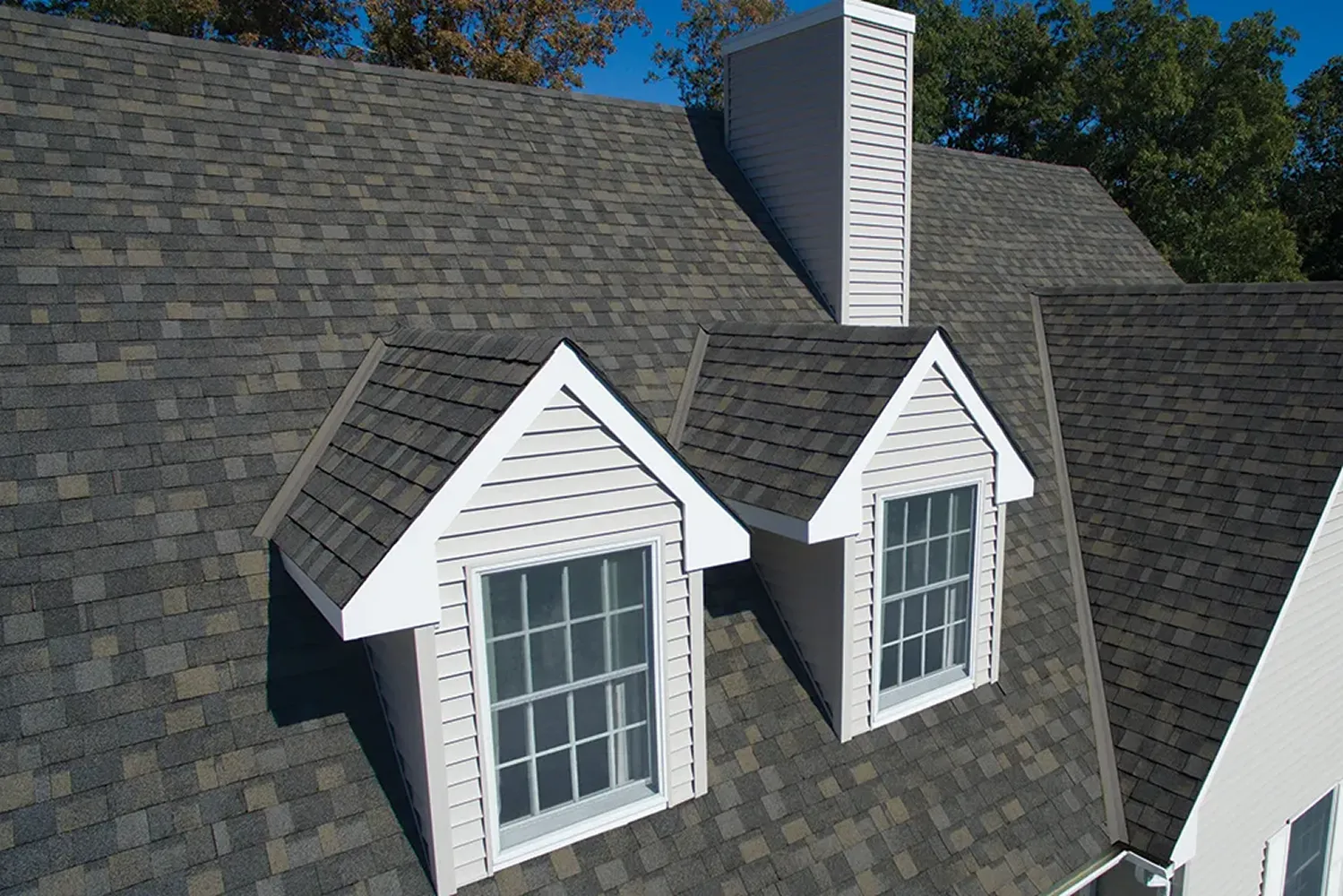
The Importance of Annual Commercial Roof Inspections
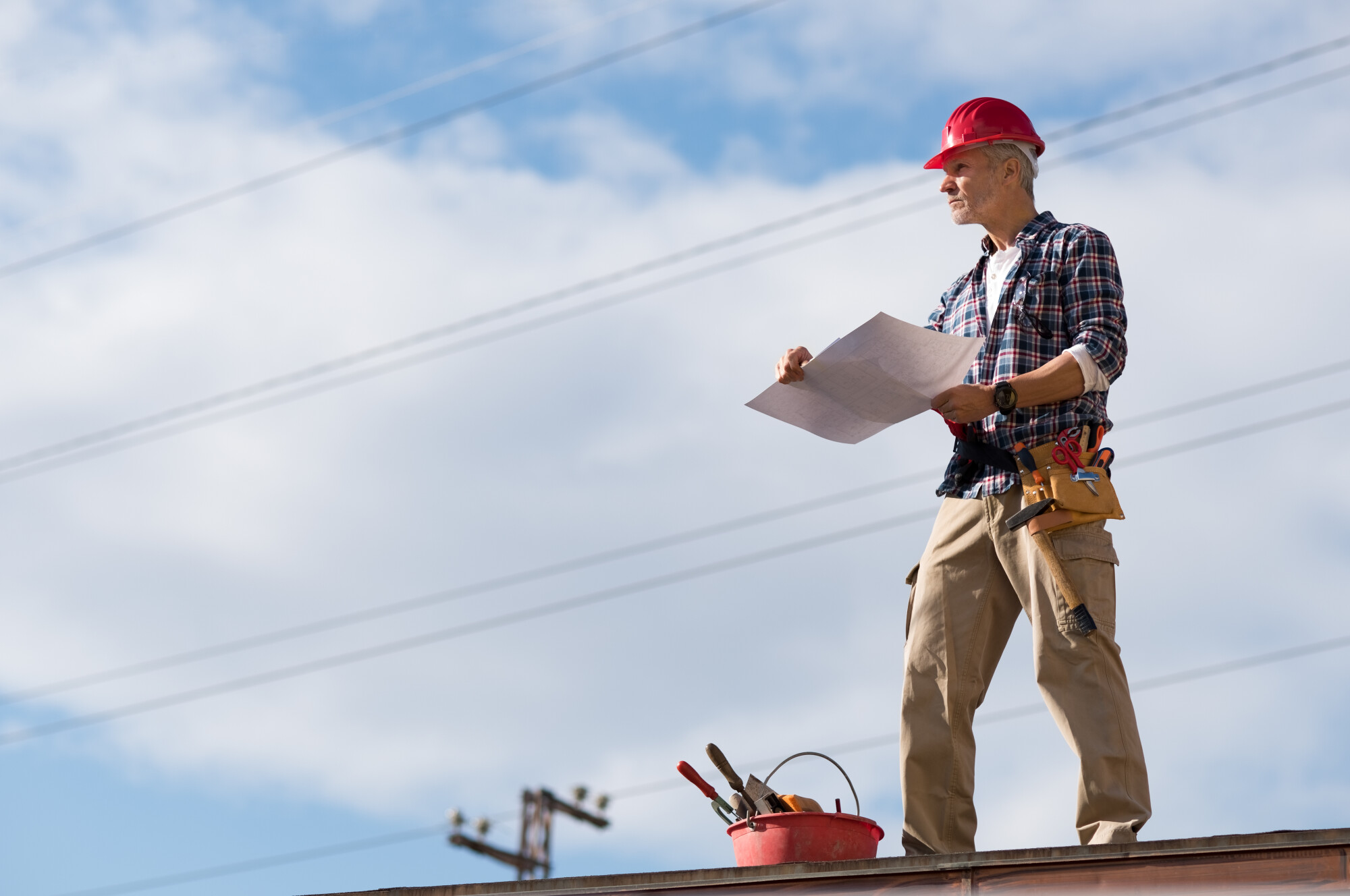
Commercial roof inspections identify small, fixable problems, like cracked flashing, clogged drains, and deteriorating seams, before they become six-figure emergencies. Scheduling them twice a year, in spring and fall, protects your manufacturer's warranty and stops a $400 repair from turning into a full roof replacement.
The U.S. Government Accountability Office reports that federal building deferred maintenance and repair backlogs more than doubled, from $171 billion to $370 billion, between fiscal years 2017 and 2024. That's what happens when maintenance gets deferred at scale; the same math applies to a single roof. For a property owner, staying ahead of it means a manageable repair bill now rather than a surprise replacement later.
How Often Do You Really Need Commercial Roof Inspections?
Most property owners assume one inspection a year is enough, yet the roofing industry recommends more. Manufacturers and trade groups typically recommend two formal inspections a year, usually one in spring and one in fall.
Texas weather changes that schedule a bit, so Dallas-Fort Worth commercial roofing often needs a third check after a major hailstorm. A seasonal rhythm works well, since it catches damage from opposite ends of the year before it spreads.
A twice-yearly schedule tends to break down into three parts:
- A spring inspection for freeze-thaw and winter storm damage
- A fall inspection to clear drains before storm season
- A post-storm inspection after hail, high wind, or heavy snow
Early Detection Saves You Real Money
Small problems rarely stay small on a commercial roof. A cracked seam or loose flashing might look minor at first, yet left alone it often turns into a five-figure repair.
Proactive maintenance typically stretches a roof's working life well past what reactive repairs allow. A small, timely fix usually costs a fraction of a full roof replacement, so the savings add up fast.
Technology plays a role here too. Some contractors, Blue Nail Roofing among them, use roof leak detection equipment that finds moisture before it reaches the ceiling tiles. Catching that kind of damage early usually costs a few hundred dollars, not tens of thousands in water damage and lost inventory.
Protect Your Warranty and Insurance Coverage
Skipping inspections can cost more than repairs. Most commercial roof warranties require documented, regular maintenance, and missing that requirement can void coverage completely. Insurance policies work in a similar way, since many carriers ask for inspection records before paying a storm damage claim.
Roof warranty compliance, in other words, depends on paperwork nearly as much as it depends on the roof itself.
A written report with dated photos does two things at once. It gives a manufacturer proof that maintenance happened on schedule, and it gives an adjuster a clear picture of the roof before a storm hits. Without that record, a property owner may end up paying for a repair the warranty should have covered.
Prevent Costly Interruptions to Operations
A roof failure rarely stays contained to the roof. Water intrusion can shut down part of a building, or all of it, during repairs. Employees may need to relocate, customers may find the doors locked, and equipment near the leak may need a full shutdown until the area dries.
Preventive roof maintenance keeps that scenario rare rather than routine. A twice-yearly inspection costs far less than even a single day of lost operations, and it usually takes just a few hours to complete.
What Should a Professional Inspection Actually Cover?
A thorough inspection looks well beyond the surface of the membrane. Rooftop equipment, drainage systems, and even the insulation underneath all affect how a roof performs over time, and a good inspector checks each of them. Skipping any one of these areas can leave a real problem hidden until it becomes expensive.
A solid roof inspection checklist typically covers:
- Heating and cooling units, vents, and other rooftop equipment
- Insulation condition and moisture levels
- Drains, scuppers, and gutters for clogs
- Photo documentation for warranty and insurance records
Each item on that list affects how long the roof lasts. A roof that drains, insulates, and supports its equipment well tends to last years longer than one that gets only a quick glance.
Protect Your Roof With Blue Nail Roofing & Construction
Commercial roof inspections turn hidden, slow-forming damage into a simple repair line item instead of an emergency. Twice a year, plus a check after any major storm, is what keeps warranty coverage intact and your roof on schedule for a full lifespan.
Blue Nail Roofing & Construction has served Dallas-Fort Worth commercial properties using leak-detection equipment that finds moisture intrusion that most visual inspections miss. Every inspection comes with a dated, photographed report you can hand directly to your insurer or warranty provider. Get in touch to schedule your next inspection before the next storm finds the leak for you.
Have More Questions? We’ve Got the Answers.
Continue browsing expert tips, project highlights, and home‑improvement advice, or reach out now to discuss your next project.
Schedule Your Free Expert Assessment Today!
Protect your investment with expert roof maintenance and repair services from Blue Nail Roofing & Construction