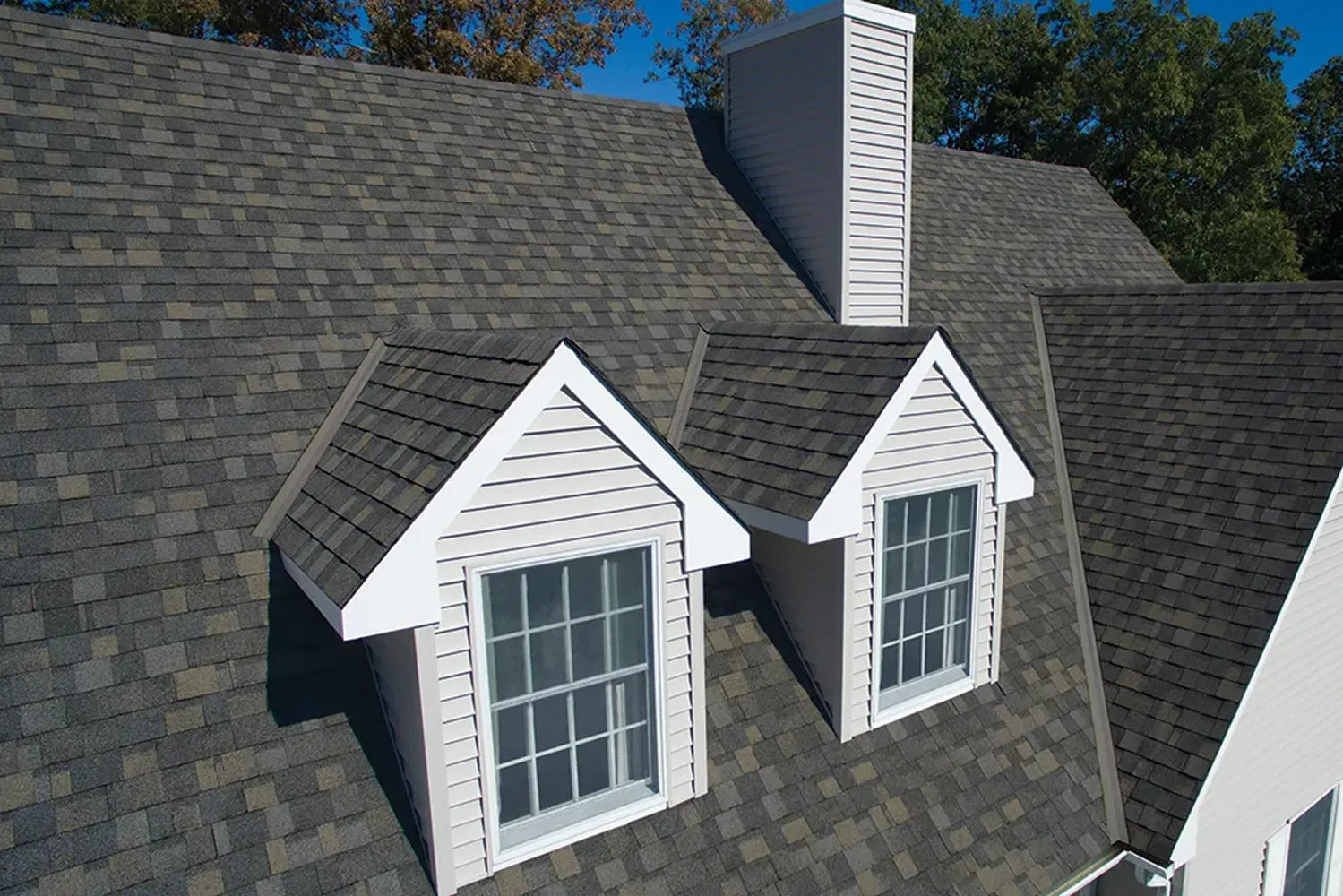
Preparing Your Home for a New Roof Installation

A smooth new roof installation starts with confirming the date and crew details, photographing any storm damage for your insurance claim, and clearing a 15-foot zone around the house. Move wall art and attic belongings, and arrange care for kids and pets.
Texas logged 902 hail events with stones an inch or larger in 2025, more than twice any other state, according to NOAA data compiled by the Insurance Information Institute. Some of those storms probably hit your neighborhood. A little prep now protects your yard, your belongings, and your insurance claim before the crew arrives.
How Do You Know It's Time for a New Roof?
Roofs send out warning signs well before the first drip hits your ceiling. A slow walk around your yard after a storm tells you plenty.
Look for shingles that curl, crack, or sit crooked, and check your gutters for gritty granules that wash off worn shingles. Dark water stains on a ceiling or damp attic insulation are fairly clear signs you need a new roof, especially when they return after every rain.
Roof age and storm history both count. A 12-year-old roof with clean shingles can outlast a 7-year-old roof that took a hailstorm. Blue Nail Roofing & Construction puts maintenance, repairs, and restoration first, and guides you through a replacement when your roof truly needs one.
What Should You Do First After Wind or Hail Damage?
Start with safety, then start collecting proof. The Texas Department of Insurance tells policyholders to take photos and videos of all damage and cover exposed areas with a tarp.
Document the Damage Before Anyone Touches the Roof
Start with wide shots of the whole house, then move in for close-ups of each damaged spot. Keep your feet on the ground, though, since a wet or damaged roof is seriously risky to climb.
Adjusters often look for damage in places like these:
- Gutters and downspouts with dents or dimples
- Window screens, garage doors, and fences with fresh dings
- Roof vents, skylights, and flashing around the chimney
- Ceiling stains, wet insulation, and damaged belongings inside the home
Check Your Policy Before You File
Ask your agent whether your roof has replacement cost or actual cash value coverage. For example, the Texas Department of Insurance shows that a roof costing $10,000 to replace has an actual cash value of $7,000 at 10 years old and $4,000 at 20 years old. Your deductible for wind and hail might be higher than your standard deductible, so ask for both dollar amounts.
Next, your insurer has 15 business days to confirm it received your claim and another 15 to decide once it has what it needs.
Get Help With the Paperwork
Wind or hail, call Blue Nail. We've handled storm damage restoration since 2009, and we can provide the inspection notes and photos that help you get full coverage and complete repairs. Meanwhile, Eric joins KRLD's Consumer Team every Saturday from 6 to 8 p.m. on KRLD and Audacy.com, and he shares practical advice on questions like these.
How Do You Choose the Right Roof and Contractor?
Pick a material that fits your budget and your weather. Asphalt shingles usually cost less up front, and metal roofs last longer.
Consider impact-resistant shingles in North Texas, since they carry a rating from Class 1 to Class 4, and Class 4 earns the highest insurance credit, according to the Texas Department of Insurance. Each insurer sets its own discount, so ask yours before you buy.
Hire a roofing contractor in DFW who can show proof of insurance, manufacturer certifications, and local references. Check the Better Business Bureau rating and ask neighbors who replaced their roofs recently. Get an itemized written estimate and read every line.
The Texas Department of Insurance advises against signing a contract with blank spaces or paying the full amount upfront, and that advice is absolutely worth following. Ask the crew to inspect your attic insulation and ventilation during the visit. Likewise, get your warranty in writing before you hand over a deposit.
How Do You Prepare Your Home for a New Roof Installation?
Use this roof replacement checklist during the week before work begins. A new roof installation goes a bit smoother when you handle the details early.
Several Days Before
Call your contractor to confirm the start date, the crew's arrival time, and where the dumpster will sit. Ask who pulls the permit and how the crew handles rain delays.
Let your neighbors know about noise and delivery trucks, especially if you share a driveway. Branches that touch the roof almost always get in the crew's way, so hire a tree professional to trim them and skip the ladder yourself.
Prepare the Exterior
Cover shrubs near the house with breathable canvas, and mark sprinkler heads with bright flags. Keep your air conditioner completely uncovered, and ask the crew how they'll protect it from falling debris. Unlock side gates, clear the paths the crew will use, and move your vehicles off the driveway.
These items need to move away from the walls:
- Patio furniture, grills, and umbrellas
- Potted plants and hanging baskets
- Bikes, toys, and lawn equipment
- Garden statues and other decorations
Protect the Interior
Take mirrors, framed photos, and glass shelves off upper-floor walls, and move anything fragile well away from exterior walls. Cover attic belongings and upper-floor furniture with drop cloths, and clear a path to the attic hatch.
Photograph any existing ceiling cracks or water stains, and tell your contractor right away.
Plan for Safety and Noise
Keep children and pets away from the work zone, since the crew uses ladders, nail guns, and trucks all day. Pets do very well in a quiet room far from the noise, or in boarding for the day.
Schedule video calls and naps around tear-off, the loudest stage. Lock up jewelry, cash, medications, and documents before the crew arrives.
The Night Before and Installation Day
The night before, check the weather and confirm the start time with your contractor. In the meantime, take photos of the exterior and nearby plants for your records.
On installation day, walk the property with the project supervisor and point out sprinkler heads, outdoor outlets, fragile plants, and spots where trucks shouldn't park. Afterward, look around the yard from the ground and check for nails, packaging, and old shingles.
Sign off only after you're satisfied with the cleanup and have your warranty paperwork in hand. Update your homeowner's insurance policy with the new roof details.
Frequently Asked Questions
How Long Does a Roof Replacement Take?
Your contractor sets the schedule after measuring the roof and checking the forecast. Size, roof pitch, and material change the timeline significantly. Ask for a start date and an expected finish date in writing.
A good contractor also explains which problems, like rotted decking, could add days.
What Happens if It Rains on Installation Day?
Crews stop work when rain starts. Ask how they cover an open roof deck during a surprise shower and how they reschedule the rest of the job. Get that rescheduling policy in writing before you sign.
Do I Need to Be Home During Installation?
Plan to stay reachable by phone, unlock the gates, and meet the supervisor before work starts. Joining the final walkthrough really helps, since you can point out missed nails or packaging before the crew leaves.
Does My Roofer Need a Texas License?
Texas doesn't currently require roofers to hold a statewide license, though some cities have their own registration rules. It's highly worth asking any roofer for proof of insurance and local references, and your city's permit office can explain which rules apply.
What if the Crew Finds Hidden Damage After Tear-Off?
Sometimes the crew finds rotted decking once the old roofing comes off. Photograph the damage before the crew replaces the wood, and ask your adjuster whether your policy allows a supplemental claim.
What's a Wind and Hail Deductible?
It's the amount you pay before your insurer pays for storm damage. Some policies set it as a percentage of your home's insured value.
How Soon Does My Insurer Pay My Claim?
After your insurer approves a claim, it has five business days to send payment, according to the Texas Department of Insurance. You then pay your deductible to your contractor and keep every receipt and invoice with your claim records.
Will My Mortgage Company Be Involved in the Payment?
If you have a home loan, your insurer may send the payment to your mortgage company. The mortgage company must contact you within 10 days to release the money for repairs, so call your lender when you file, anyway, to ask what paperwork it needs.
Get Ready Before the Next Storm Rolls In
Documenting storm damage, vetting your contractor, and prepping your home take a few hours and make a new roof installation run smoothly. Add a written estimate and a final walkthrough, and you'll know exactly what you paid for.
Blue Nail Roofing & Construction, a GAF Master Elite contractor since 2009, tears old roofing and felt down to the decking and inspects it before anything new goes on. We also work with your insurance company on scope and pricing.
Wind or hail, call Blue Nail for a free assessment and a straight answer on repair versus replacement.
Have More Questions? We’ve Got the Answers.
Continue browsing expert tips, project highlights, and home‑improvement advice, or reach out now to discuss your next project.
Schedule Your Free Expert Assessment Today!
Protect your investment with expert roof maintenance and repair services from Blue Nail Roofing & Construction