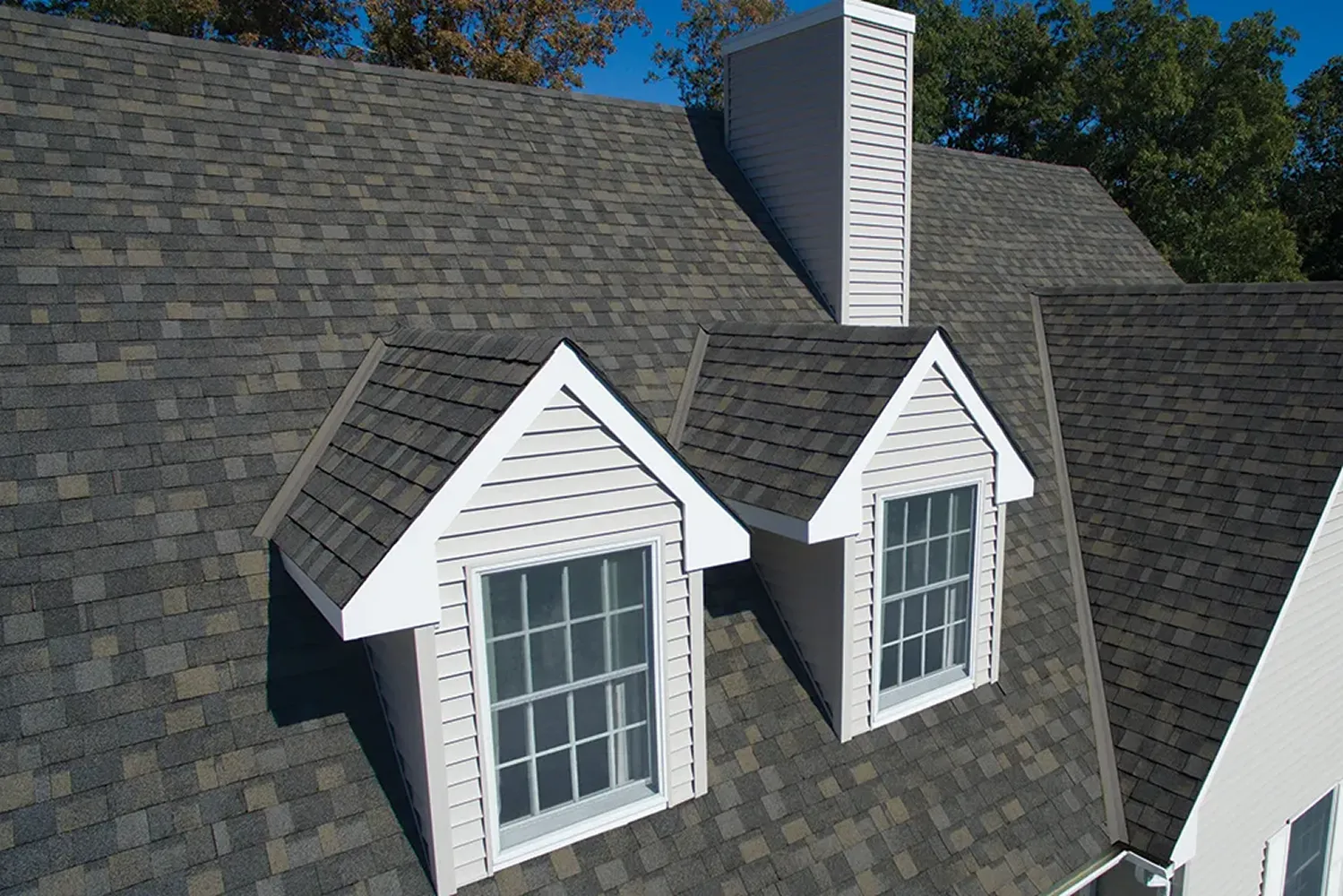
Polyvinyl Chloride (PVC) in Roofing
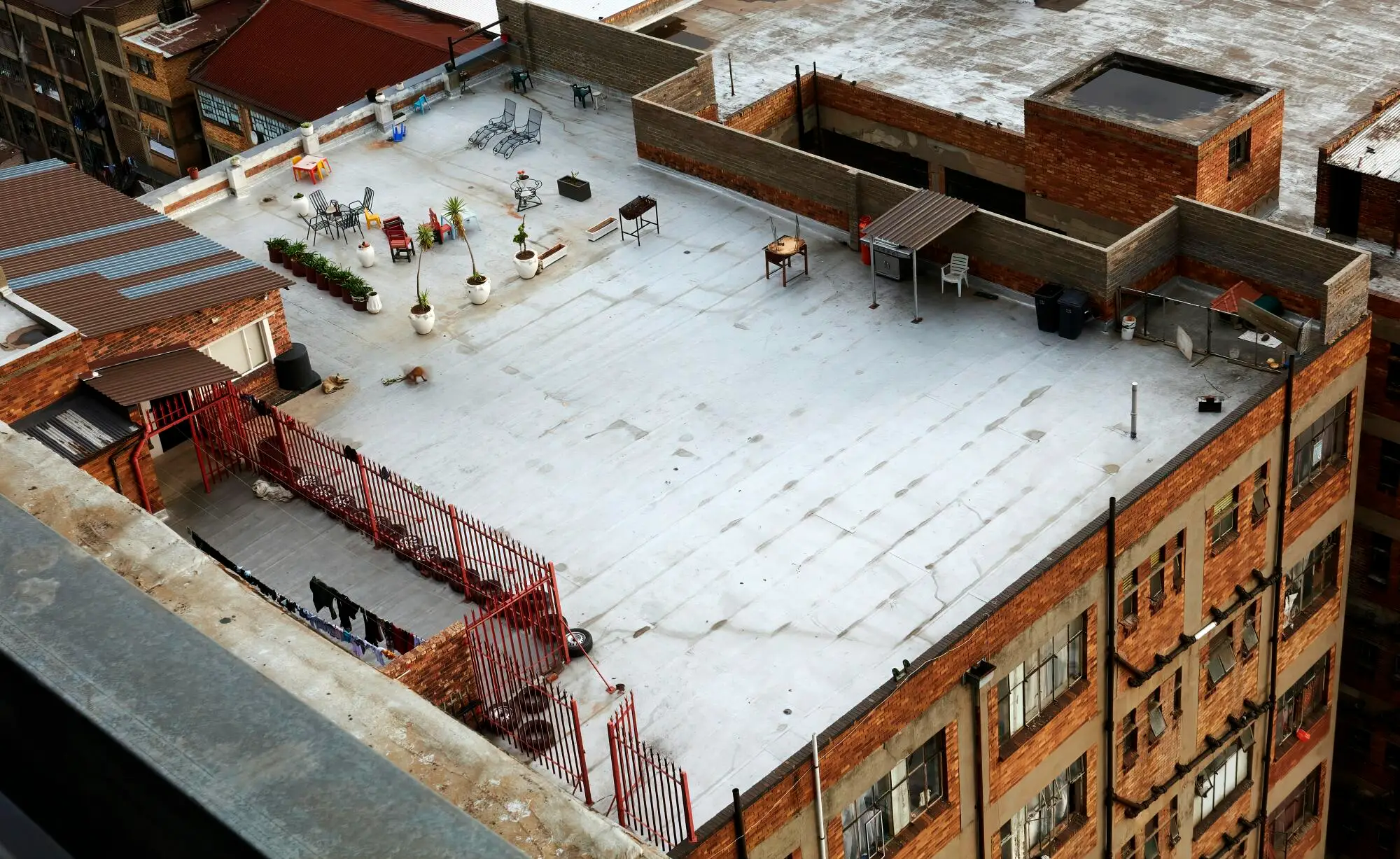
Polyvinyl chloride roofing is a single-ply membrane installed on flat and low-slope roofs, with heat-welded seams that form one continuous, watertight surface. Most systems last 20-30 years, reflect solar heat to reduce cooling costs, and hold up against water, grease, and chemicals. The upfront cost runs higher than some alternatives, but longevity and low maintenance make it a strong long-term investment for the right building.
For commercial building owners and property managers, few things are more quietly destructive than a flat roof that's losing the battle. Not all at once, but steadily, through seams that separate, membranes that blister, and repair bills that keep arriving without ever fully resolving the problem underneath. Every patch buys time, but time has a way of running out faster than budgets can keep up with.
Choosing the right roofing membrane from the start is what breaks that cycle, and for flat and low-slope roofs, PVC has built a serious reputation for doing exactly that.
What Is Polyvinyl Chloride Roofing and How Does It Work?
Manufacturers produce polyvinyl chloride sheet roofing by blending PVC resin with plasticizers and stabilizers, then pressing two PVC layers around a polyester scrim for reinforcement. That layered build gives the finished membrane its strength and flexibility, which really sets it apart from older flat roofing materials.
PVC roofing rolls arrive on site in wide sheets, ranging from 6 to 12 feet across, and workers unroll them across the prepared roof deck before securing them in place.
Contractors typically install PVC membranes using one of three methods:
- Mechanical fastening
- Full adhesion to the deck
- Ballasting with stone or pavers
The most defining step in the process is seam welding, where workers use hot air to fuse overlapping sheets into one continuous surface. That fusion, rather than tape or glue, gives PVC its strong track record for long-term waterproofing.
Key Advantages of PVC Roofing
Poly vinyl roofing has built its reputation on a set of performance traits that hold up consistently across flat and low-slope buildings. The advantages below reflect what property owners and facility managers actually see after years of real-world use.
Long-Term Durability
A well-installed PVC roof retains its strength and flexibility through heavy rain, wind, and hail, performance characteristics that hold up well across the full life of the roof. Reinforced membranes offer solid puncture and tear resistance, making them a very practical option for roofs that see regular foot traffic from maintenance crews or HVAC technicians.
Superior Waterproofing
The heat-welded seams on a PVC membrane fuse the sheets into a single, unified surface, which handles standing water far more effectively than systems that rely on adhesives. That level of watertight performance is actually quite difficult to achieve with most other membrane types, so PVC tends to dominate in applications where ponding water is a consistent concern.
Energy Efficiency
Most PVC membranes come in white or light colors that reflect solar radiation away from the building, reducing the heat that transfers into the interior. In the Dallas-Fort Worth area, where summer temperatures regularly climb past 100F, that reflectivity can produce real, measurable reductions in cooling costs over the roof's lifespan.
Qualifying products may also meet ENERGY STAR cool roof standards, which can open access to utility rebates in some markets.
Chemical and Grease Resistance
PVC stands up well to grease, oils, and a wide range of industrial chemicals; a quality that makes it a frequently recommended choice for restaurants, food processing plants, and manufacturing facilities. Most other single-ply membranes don't match that level of chemical resistance, so for these specific building types, PVC is often the most practical material available.
The Real Drawbacks of PVC Roofing
No roofing membrane works well in every situation, and PVC has genuine limitations worth factoring into the decision. Getting the PVC roofing details right, especially around penetrations, edge terminations, and drains, is what separates a strong installation from one that causes repeated problems down the line.
Upfront Cost
The installed cost of PVC typically runs higher than EPDM and some other basic flat roofing systems, and the gap can be significant on larger projects. Material thickness, roof complexity, and the number of penetrations all affect the final price, so getting a detailed assessment before budgeting makes practical sense.
Compatibility With Other Materials
PVC membranes can degrade when they contact certain other roofing materials, so contractors need to identify and address any conflicts before installation begins.
Some of the most common compatibility concerns include:
- Bituminous products like modified bitumen or built-up roofing beneath the new membrane
- Foam insulation boards that manufacturers do not rate for direct contact with PVC
- Other thermoplastic membranes that may react with plasticizers in the PVC layer
Environmental Considerations
PVC production relies on chlorine-based chemistry and fossil-fuel-derived inputs, which some building owners factor into their material decisions. Recycling programs for end-of-life PVC membranes do exist, and some manufacturers offer take-back programs, though availability varies by region.
Is PVC Roofing the Right Fit for Your North Texas Property?
Residential PVC roofing works well on low-slope sections of a home (flat-roof additions, covered porches, or garage roofs), where a durable, reflective membrane serves a clear practical purpose. On the commercial side, the North Texas climate actually plays to PVC's strengths: intense UV exposure, high summer temperatures, and storm activity all put consistent stress on a rooftop, and PVC handles those conditions reliably.
Cold-weather brittleness comes up frequently as a concern in PVC discussions, and in northern climates, that concern is valid. In the DFW area, freeze-thaw cycles are far less of a factor than prolonged heat and sun exposure, so that limitation carries much less weight for local property owners.
Before choosing PVC, a thorough contractor assessment should cover several key points. At Blue Nail Roofing & Construction, every evaluation includes a full inspection of the roof deck, slope, and existing conditions before any material recommendation, so property owners get a clear picture of their options rather than a rushed quote.
Some specific questions worth raising with any contractor before the project begins include:
- Whether the existing substrate is dry, structurally sound, and compatible with PVC
- What membrane thickness does the contractor recommend and why
- How the contractor plans to handle edge terminations and penetration details
- What warranty does the manufacturer offer and what conditions could void it
- Whether the selected product qualifies for any local utility rebates or cool roof programs
Frequently Asked Questions
How Does PVC Roofing Compare to TPO?
PVC and TPO are both thermoplastic single-ply membranes that use heat-welded seams, so they share several installation and performance characteristics. The distinction that tends to matter most is chemical resistance; PVC performs significantly better in environments with grease or chemical exposure, making it the stronger choice for restaurants and industrial buildings.
TPO typically costs a bit less upfront and has become the more common choice for standard commercial flat roofs where chemical resistance is less of a priority.
What Thickness of PVC Membrane Should I Specify?
PVC membranes generally range from 45 to 80 mils in thickness, and that range makes a real difference in performance and warranty coverage. Thicker membranes (60 mils and above) offer better puncture resistance and tend to carry longer manufacturer warranties. For roofs with heavy foot traffic, mechanical equipment, or exposure to severe weather, specifying a 60-mil or thicker membrane is a sound investment.
Can PVC Roofing Be Installed Over an Existing Roof?
In some situations, contractors can install a new PVC membrane directly over an existing roof layer without a full tear-off, which reduces labor costs and shortens the project timeline. That option depends on the condition of the existing substrate, the number of roof layers already in place, and local building codes; many jurisdictions limit re-cover installations to one additional layer.
How Long Does a PVC Roof Installation Typically Take?
A standard PVC installation on a mid-sized commercial flat roof generally runs from a few days to about two weeks, depending on roof size and complexity. Roofs with a high number of penetrations (HVAC units, vents, skylights, and drains) naturally take longer to complete, as each one requires careful detailing to maintain the membrane's watertight performance. Weather conditions also play a role, since most manufacturers specify minimum temperature requirements for proper seam welding.
Does PVC Roofing Qualify for Energy Efficiency Rebates?
Many PVC membranes meet the reflectivity and emittance thresholds set by programs like ENERGY STAR and the Cool Roof Rating Council, which can make them eligible for utility rebates in certain markets. Some Texas utility providers offer rebates for qualifying cool roof installations on commercial properties, so checking with your local provider before the project starts is a worthwhile step.
Your Next Step Toward a Smarter, Longer-Lasting Roof
Polyvinyl chloride roofing delivers 20-30 years of durable, energy-efficient performance on flat and low-slope roofs when installed correctly and maintained consistently. Whether it's the right fit depends on your roof type, climate, budget, and building use.
Blue Nail Roofing & Construction has served North Texas and the DFW area since 2009, and as a GAF Master Elite Contractor (a certification held by only 2% of roofers nationwide), we assess every roof honestly and recommend what genuinely serves your property. Schedule your free expert assessment today and walk away with a clear, confident answer about what your roof actually needs.
Have More Questions? We’ve Got the Answers.
Continue browsing expert tips, project highlights, and home‑improvement advice, or reach out now to discuss your next project.
Schedule Your Free Expert Assessment Today!
Protect your investment with expert roof maintenance and repair services from Blue Nail Roofing & Construction