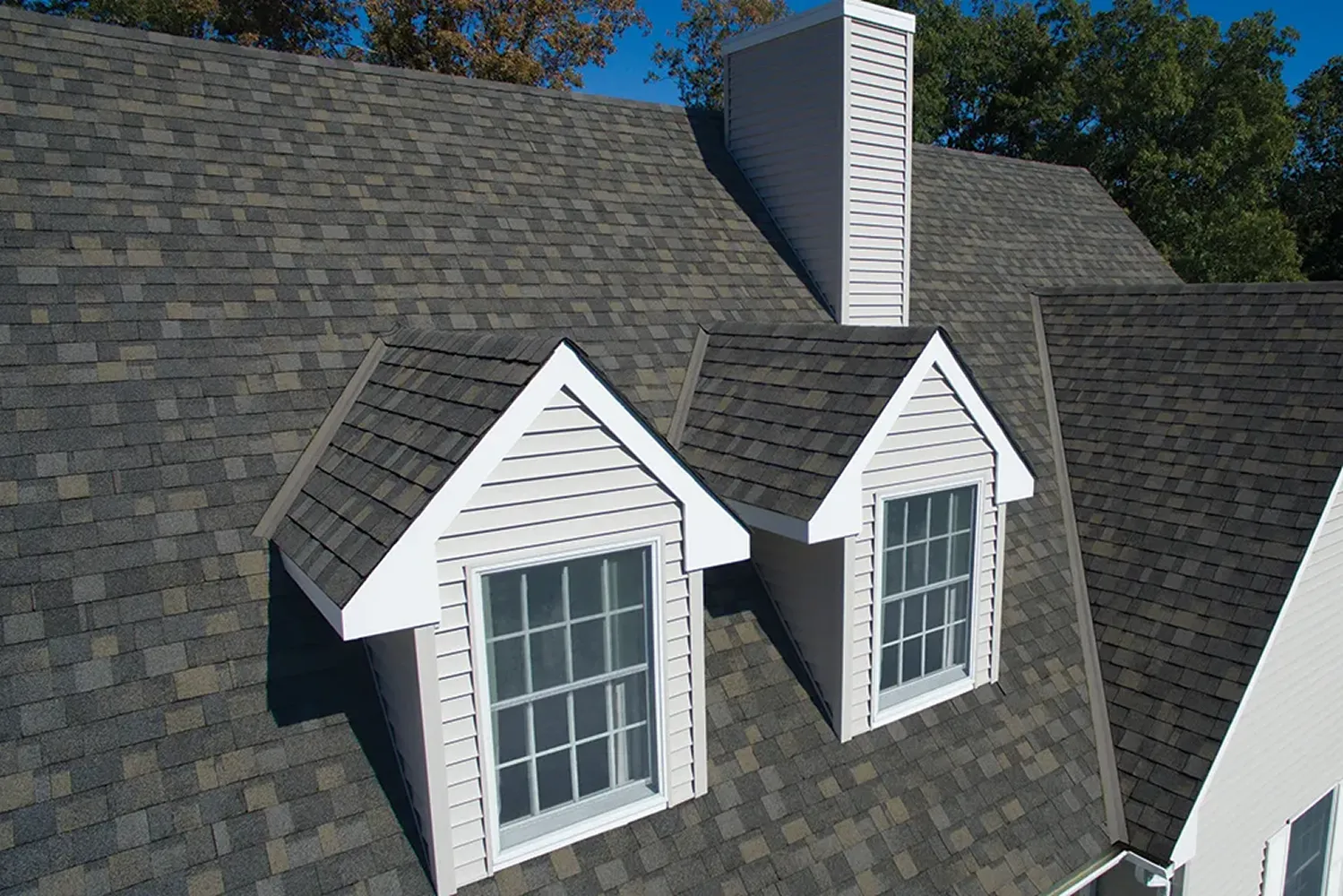
Is Metal Roofing More Affordable than Shingles? Find Out!

Is metal roofing cheaper than shingles? In most cases, asphalt shingles have a lower upfront cost, making them the more affordable choice at installation. Metal roofing typically costs more initially, but its longer lifespan, durability, and potential energy savings can make it a better value over time, depending on how long you plan to own your home.
Why are more homeowners considering metal roofs despite the higher price tag? The answer often comes down to balancing immediate expenses against decades of performance, maintenance needs, and replacement costs.
Is Metal Roofing Cheaper Than Shingles?
When homeowners compare roofing options, the first question is usually about price. The answer isn't as simple as choosing the lowest estimate because both upfront costs and long-term expenses play a role in affordability:
- Initial installation costs
- Reasons for higher metal roof pricing
- Short-term versus long-term value
Initial Installation Costs
For most homes, asphalt shingles cost less to buy and install than metal roofing. The average shingle roofing price is lower because the materials are widely available and the installation process is familiar to many roofing contractors. That combination keeps labor and material expenses relatively manageable, making shingles an attractive choice for homeowners working within a strict budget.
Reasons for Higher Metal Roof Pricing
A higher metal roofing cost often comes from both the materials and the installation. Metal panels, fasteners, and specialized components generally cost more than asphalt shingles.
Installation can also require additional training and precision, which may increase labor charges. The final price varies based on the type of metal selected, roof design, and local labor rates.
Short-Term Versus Long-Term Value
A roofing cost analysis should look beyond the initial invoice. Shingles usually win when comparing upfront affordability alone.
Metal roofing, though, may reduce future replacement and maintenance expenses due to its longer lifespan. In a roofing materials comparison focused only on installation costs, shingles are typically cheaper. When long-term ownership costs enter the discussion, the gap between the two options becomes much smaller.
Long-Term Costs and Lifetime Value
Upfront pricing only tells part of the story when choosing a roof. A complete roofing cost analysis should consider how long the roof lasts, how often repairs are needed, and whether replacement costs may arise during ownership:
- Roof lifespan
- Maintenance needs
- Replacement expenses
Roof Lifespan
One of the biggest differences in a roofing materials comparison is expected service life. Asphalt shingles typically last around 15 to 30 years, depending on product quality, weather conditions, and maintenance.
Metal roofs often remain in good condition for 40 to 70 years or longer. A homeowner who plans to stay in the same house for decades may never need to replace a metal roof, while a shingle roof could require replacement during that same period.
Maintenance Needs
Routine upkeep also affects long-term spending. Shingles can develop cracked, curled, or missing sections after years of exposure to sun, wind, and storms.
Metal roofing generally resists many of those issues and often requires less maintenance. Occasional inspections and minor repairs may still be necessary, but major problems tend to occur less frequently.
Replacement Expenses
Future replacement costs can significantly change the overall metal roofing cost versus the initial shingle roofing price. Even though shingles cost less at installation, replacing a roof once or twice over several decades adds labor and material expenses each time. For homeowners focused on lifetime value rather than immediate savings, those future costs deserve careful consideration.
Energy Efficiency and Potential Savings
Many metal roofing products are designed to reflect a portion of the sun's heat away from the home. Instead of absorbing large amounts of solar energy, the roof surface redirects some of that heat.
In warmer regions, this can reduce the workload on air conditioning systems and lower cooling costs during the hottest months. Those savings won't erase the entire metal roofing cost, but they can offset part of the investment over many years.
Asphalt Shingle Performance
Traditional asphalt shingles generally absorb more heat than reflective metal roofing. Dark-colored shingles tend to retain the most heat, though lighter-colored products may perform better. The impact varies by climate. In cooler areas where air conditioning use is limited, the difference in energy expenses may be much smaller.
Factors Affecting Savings
Roofing materials are only one part of the equation. Attic insulation, ventilation, roof color, local weather, and home design all influence energy use. A roofing materials comparison should account for these factors before estimating savings.
Frequently Asked Questions
How Does Metal Roofing Perform During Severe Weather?
Metal roofs are known for their strength in challenging weather conditions. Many systems are designed to withstand high winds and resist impact from hail better than standard roofing products. Metal roofing is also non-combustible, which means it won't ignite from airborne embers or lightning strikes.
Can a Metal Roof Be Installed Over Existing Shingles?
In some cases, contractors can install a metal roof directly over an existing layer of shingles. Doing so may reduce tear-off labor and disposal costs.
Local building codes, roof condition, and structural capacity determine whether this approach is appropriate. A professional inspection is usually required before moving forward.
Do Metal Roofs Create More Noise During Rainstorms?
Many people assume metal roofs are loud during rain, but modern residential installations rarely create excessive noise. Roof decking, insulation, underlayment, and attic space absorb much of the sound. In many homes, the difference between metal and shingles is smaller than expected.
Check Out the Best Affordable Roofing
So, is metal roofing cheaper than shingles? Shingles usually cost less upfront, making them the more budget-friendly choice at installation. Metal roofing requires a larger initial investment but often delivers greater long-term value through durability, lower maintenance needs, and a longer lifespan. The better choice depends on your priorities and timeline.
At Blue Nail Roofing & Construction, we provide residential and commercial roofing services throughout Grand Prairie and the Dallas-Fort Worth area. Unlike many contractors who immediately recommend replacement, we focus on extending the life of existing roofs through maintenance, repairs, and restoration whenever possible. Since 2009, we've delivered durable, weather-resistant roofing solutions backed by licensed, insured, and certified expertise, along with a customer-first approach built on transparency, education, and honest guidance.
Get in touch today to find out how we can help with your roofing needs!
Have More Questions? We’ve Got the Answers.
Continue browsing expert tips, project highlights, and home‑improvement advice, or reach out now to discuss your next project.
Schedule Your Free Expert Assessment Today!
Protect your investment with expert roof maintenance and repair services from Blue Nail Roofing & Construction