Choosing the Perfect Roofing Style for Your Home
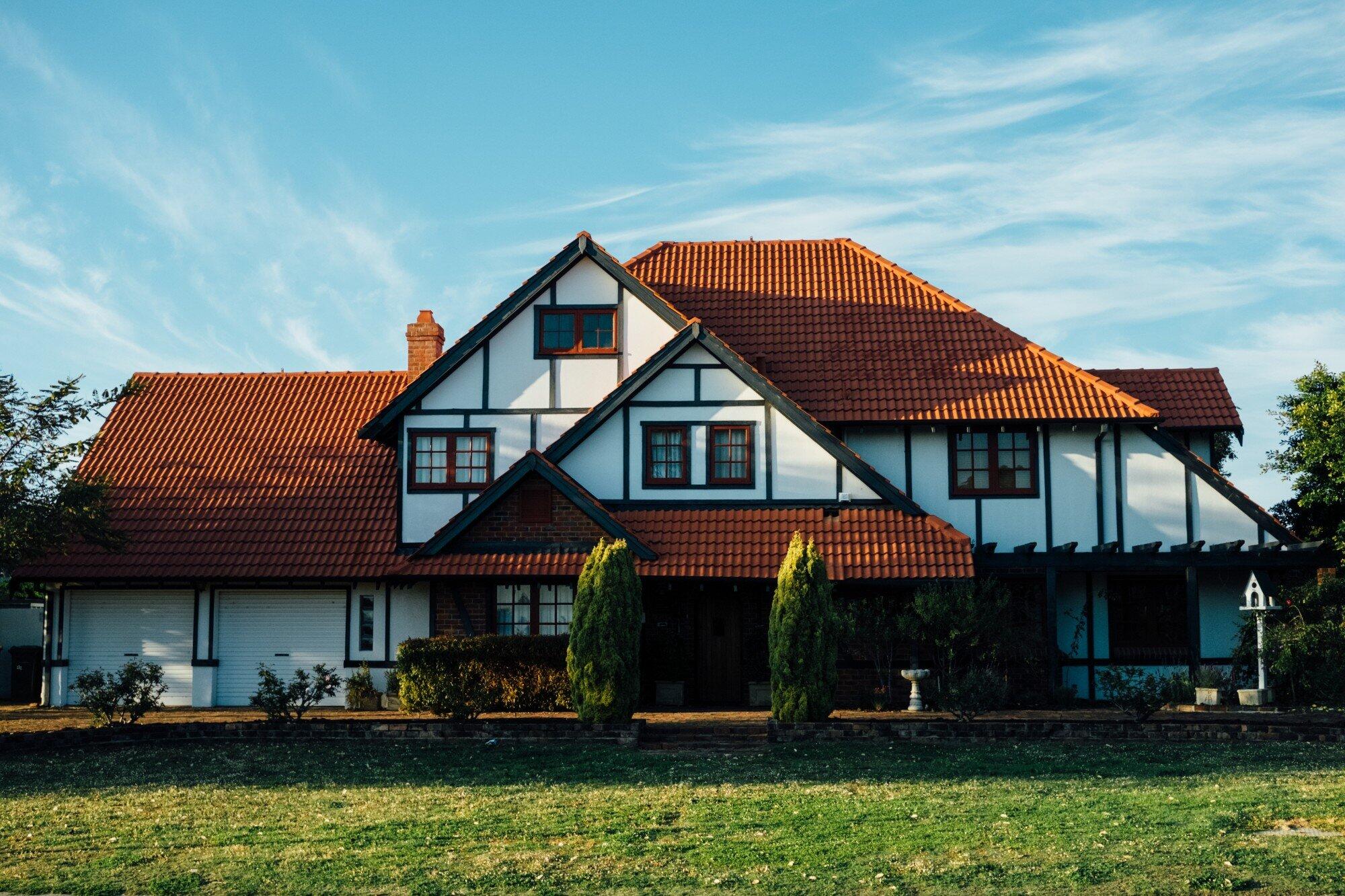
Knowing how to choose a roofing style starts with matching the roof's shape, materials, and color to your home's architecture. Gable and hip roofs complement many traditional homes, while low-slope designs suit contemporary properties. Asphalt shingles offer affordability and versatility, while metal, tile, and slate provide distinctive appearances and long-term durability.
Could choosing the wrong roof leave you with an expensive upgrade that adds little value to your property? According to the 2025 Remodeling Impact Report from the National Association of Realtors, new roofing received a perfect 10 out of 10 homeowner satisfaction score.
However, satisfaction alone doesn't guarantee the right investment. Homeowners must also consider local weather, structural requirements, maintenance expenses, and long-term performance.
How to Choose a Roofing Style That Complements Your Home
Your home's design should guide your roofing decisions. Understanding how to choose a roofing style involves examining three features that shape your home's appearance:
- Architectural compatibility
- Roof pitch and structural design
- Neighborhood appearance
Architectural Compatibility
The influence of house architecture becomes clear when comparing traditional and modern homes. Gable roofs feature two sloping sides that meet at a peak.
Their familiar shape complements many traditional houses. Hip roofs slope downward on all sides, creating a balanced appearance. Modern homes often feature low-slope roofs for a cleaner, simpler look.
Roof Pitch and Structural Design
Roof pitch describes how steeply a roof rises. Steeper roofs create a more prominent appearance and generally shed rainwater quickly.
Low-slope designs create flatter profiles but require careful drainage planning. Your home's existing framing also determines which designs are practical.
Changing the roof's shape may require expensive structural modifications. A professional assessment can identify these limitations before construction begins.
Neighborhood Appearance
Your roof should complement nearby properties without looking identical. Consider how its shape fits the surrounding homes and streetscape.
Historic districts may restrict certain designs to preserve neighborhood character. Homeowners associations can also establish roofing requirements. Check local restrictions before finalizing your preferred design.
Which Roofing Materials Offer the Best Balance of Beauty and Durability?
Different roofing material options affect your home's appearance and long-term maintenance needs. Understanding roof style comparisons starts with examining three popular materials:
- Asphalt shingles
- Metal roofing
- Tile and slate roofing
Asphalt Shingles
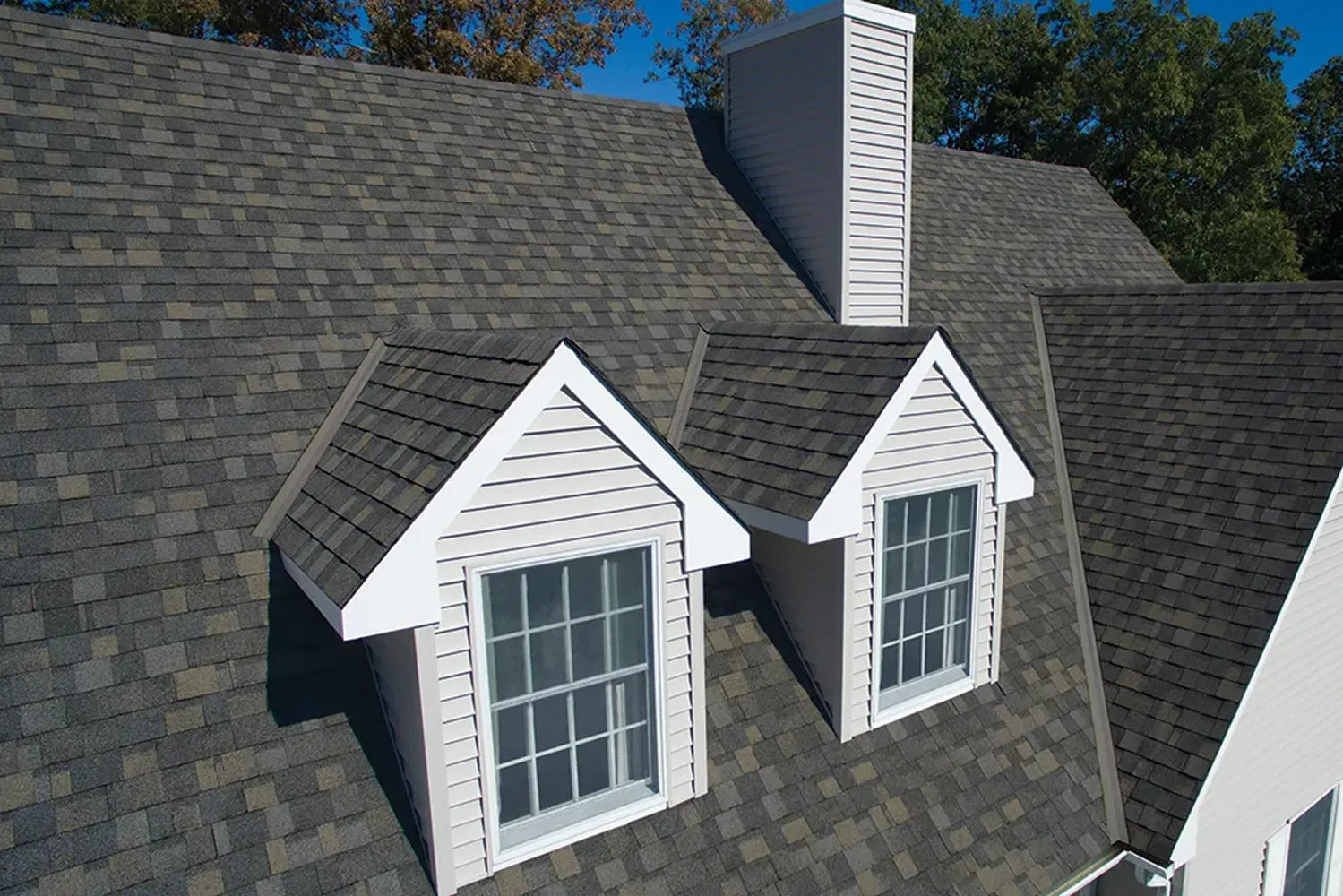
Asphalt shingles remain popular among homeowners due to their affordability and design flexibility. They come in numerous colors and textures to complement different architectural styles.
Architectural shingles feature thicker layers that create a dimensional appearance. Some designs resemble natural wood or slate without the higher installation costs.
However, asphalt shingles generally require replacement sooner than premium roofing materials.
Metal Roofing
Metal roofing combines durability with a distinctive appearance. Standing-seam panels create clean lines that complement modern homes.
Metal shingles can also resemble traditional roofing materials. Properly installed metal roofs resist harsh weather and often last several decades. Their higher initial cost may be offset by reduced maintenance and longer service life.
Tile and Slate Roofing
Clay and concrete tiles create distinctive rooflines commonly associated with Mediterranean and Spanish-style homes. Natural slate produces a refined appearance that suits traditional luxury properties.
Both material categories can last for decades with proper installation. However, their substantial weight may require additional structural reinforcement. Installation also demands specialized expertise, increasing overall project costs.
How Do Roof Colors and Climate Affect Your Decision?
Roof colors influence curb appeal, indoor temperatures, and overall comfort. Homeowners should consider three factors before selecting a roofing finish:
- Exterior color coordination
- Solar reflectivity and energy performance
- Local weather resistance
Exterior Color Coordination
When choosing roof colors, consider how different shades complement your home's exterior. Dark roofing can create an attractive contrast against light-colored siding.
Neutral shades often blend naturally with brick or stone exteriors. Examine physical samples outdoors before deciding. Sunlight can make colors appear different from showroom displays.
Solar Reflectivity and Energy Performance
Energy-efficient roofing can reduce heat absorption during hot weather. Reflective coatings redirect more sunlight away from the roof's surface.
However, lighter colors aren't automatically more efficient than darker products with specialized reflective finishes. Proper attic insulation also influences indoor temperatures and cooling costs.
Local Weather Resistance
Regional weather conditions should influence your roofing selection. Heavy rainfall requires effective drainage to prevent standing water and leaks.
Homes exposed to strong winds need materials with appropriate wind-resistance ratings. In wildfire-prone areas, fire-rated roofing materials provide essential protection.
When severe weather damages your roof, experienced professionals can help you understand your repair options. Blue Nail Roofing & Construction assists homeowners with documentation and information needed for insurance claims.
Their extensive experience helps homeowners pursue appropriate coverage and complete repairs. Remember, come Wind or Hail, call Blue Nail.
Frequently Asked Questions
Can You Change Your Roof's Shape Without Rebuilding Your Home?
Changing your roof's shape is possible without rebuilding the entire house. However, major changes often require structural engineering and building permits.
Converting a flat roof into a pitched design may involve replacing existing framing. Homeowners should expect higher costs than a standard roof replacement, especially when modifying load-bearing walls.
How Can Roofing Warranties Affect Your Long-Term Investment?
Manufacturer warranties typically cover defects in roofing materials. Contractor workmanship warranties address installation errors.
Coverage periods and exclusions vary significantly between products. Some warranties also require regular maintenance to remain valid.
When comparing roofing material options, examine whether warranties transfer to future homeowners. Transferable coverage may appeal to buyers when selling your property.
Does Your Roof Design Affect Homeowners Insurance Costs?
Insurance companies may consider roof age and construction when calculating premiums. Certain roof shapes perform better against high winds.
Some insurers also discount premiums for qualifying impact-resistant roofing products. However, eligibility depends on your location and insurance provider.
Request insurance estimates before committing to expensive roofing upgrades.
Better Roofing Options
Understanding how to choose a roofing style means balancing appearance, durability, and long-term costs. The right design should complement your home's architecture while providing reliable protection against local weather conditions.
At Blue Nail Roofing & Construction, we combine extensive roofing experience with quality materials and industry-leading warranties. We guide Grand Prairie homeowners through roof repairs, installations, and storm damage concerns with personalized service.
Eric shares roofing advice and consumer insights every Saturday from 6-8 PM on KRLD's Consumer Team, also available through Audacy.com.
Get in touch to find out how we can help with your roofing needs.
Have More Questions? We’ve Got the Answers.
Continue browsing expert tips, project highlights, and home‑improvement advice, or reach out now to discuss your next project.
Schedule Your Free Expert Assessment Today!
Protect your investment with expert roof maintenance and repair services from Blue Nail Roofing & Construction