Avoid Costly Repairs With Our Roof Inspection Checklist

A thorough roof inspection checklist helps homeowners identify minor damage before it leads to expensive repairs. Check for missing or cracked shingles, damaged flashing, clogged gutters, and moisture stains in the attic or ceilings. Inspect your roof at least twice annually and after major storms, using professional evaluations to identify problems that aren't visible from the ground.
Could a small, unnoticed leak eventually leave you facing thousands of dollars in repairs? According to a 2025 NOAA report, the United States experienced 17 severe storm disasters in 2024, each causing at least $1 billion in damage.
While those losses extend beyond roofing, they demonstrate the financial risks of severe weather.
What Should Your Roof Inspection Checklist Include?
A thorough inspection examines more than the shingles covering your home. A DIY roof inspection should focus on three areas that reveal potential problems:
- Exterior roofing materials
- Gutters, flashing, and drainage
- Interior and attic warning signs
Exterior Roofing Materials
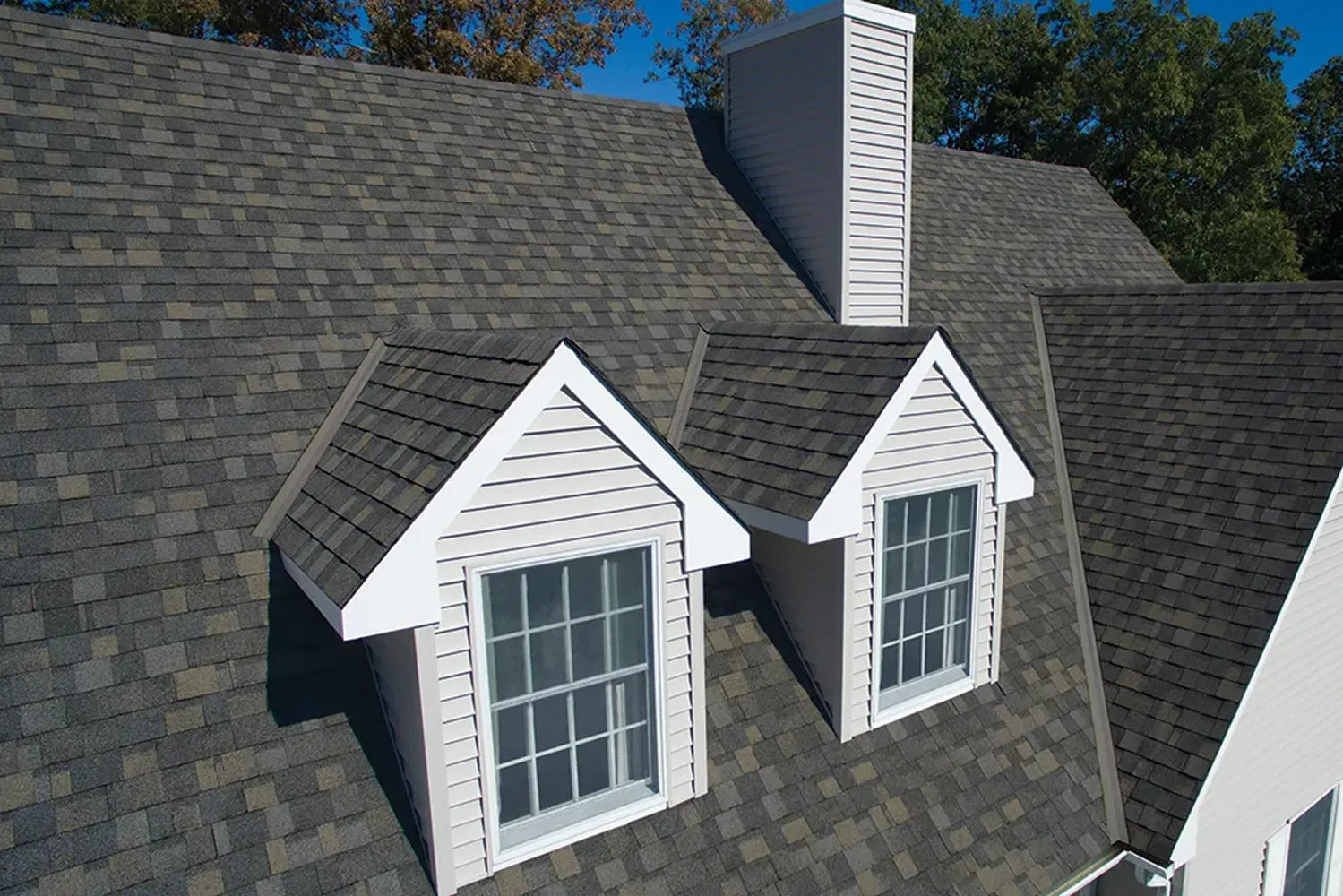
Start by examining your roof from the ground using binoculars. Look for missing shingles or sections that appear uneven.
Cracked or curling shingles are common roof damage signs that deserve attention. These defects can expose the materials underneath to rainwater.
Check for excessive granule loss on asphalt shingles. Granules protect shingles from sunlight and weather damage. Bare patches may indicate advanced wear.
A sagging roofline can suggest structural problems requiring immediate professional evaluation.
Gutters, Flashing, and Drainage
Gutters carry rainwater away from your roof and foundation. Blockages can cause water to overflow and damage nearby building materials.
Check whether gutters appear loose or pull away from the roofline. Flashing consists of metal pieces that seal vulnerable roof joints. Damaged flashing around chimneys or vents can let water enter beneath otherwise healthy shingles.
Interior and Attic Warning Signs
Your attic can reveal problems that aren't visible outside.
Look for water stains on wooden surfaces or damp insulation. Persistent moisture may encourage mold growth and weaken roofing materials.
Daylight shining through roof decking can indicate openings that need attention. Remember that water can travel along framing before appearing on ceilings. A professional inspection can identify the actual source of hidden leaks.
How Often Should Homeowners Inspect Their Roofs?
Homeowners should inspect their roofs at least twice annually and after severe storms. Effective seasonal roof care also means checking for problems when:
- Spring and fall inspections
- After severe weather
- When new warning signs appear
Spring and Fall Inspections
Spring inspections reveal damage caused by winter weather and accumulated debris. Fall evaluations prepare your roof for heavier rainfall and colder temperatures.
Regular roof maintenance also reduces the likelihood of small defects going unnoticed for months. Schedule inspections before periods of severe weather whenever possible.
After Severe Weather
Strong winds can loosen shingles without completely removing them. Hail may also damage protective surfaces and shorten a roof's lifespan. Some storm damage remains invisible from the ground, making professional evaluations especially valuable.
Blue Nail Roofing & Construction's storm damage experience reinforces a simple reminder: "Wind or Hail, Call Blue Nail."
When New Warning Signs Appear
Don't wait for your next scheduled inspection if you notice new water stains indoors. Unexpected moisture may indicate a leak that has already reached underlying materials.
Likewise, visible changes in your roof's appearance deserve prompt attention. Early professional assessments can identify the source of deterioration before extensive repairs become necessary.
When Does a Roof Need Professional Attention?
Some roofing problems require trained professionals to identify hidden damage and prevent further deterioration. Homeowners should understand when to seek expert assistance in these situations:
- Safe ground-level observations
- Problems requiring professional evaluation
- Insurance documentation after storm damage
Safe Ground-Level Observations
A DIY roof inspection should never require climbing onto your roof. Binoculars can reveal visible defects from a safe distance.
Wet surfaces increase slipping risks, particularly after storms. Leave elevated inspections to trained professionals with proper safety equipment.
Problems Requiring Professional Evaluation
Active leaks and sagging rooflines demand immediate attention. Widespread shingle deterioration may also indicate damage beneath the visible surface.
Professional roof repair assessments can determine whether isolated fixes will work. More extensive damage may require replacing entire roofing sections.
Insurance Documentation After Storm Damage
Storm damage claims require clear evidence of the roof's condition. Photographs and detailed inspection reports can establish the extent of necessary repairs.
Blue Nail Roofing & Construction draws on extensive roofing experience to document damage and explain repair requirements to homeowners.
Their team can also assist with information needed for insurance claims. Thorough documentation strengthens requests for appropriate coverage and complete repairs, although final approval depends on the policy and insurer.
Frequently Asked Questions
Can a Roof Inspection Affect Homeowners Insurance?
Inspection records can establish your roof's condition before an insurance claim becomes necessary. Insurers may consider roof age and previous damage when reviewing claims.
Consistent roof maintenance records can also demonstrate that you've addressed existing problems. However, inspections don't guarantee coverage or prevent insurers from denying claims under policy exclusions.
How Much Does a Professional Roof Inspection Cost?
Inspection costs depend on your roof's size and accessibility. Steep roofs generally require additional safety precautions, potentially increasing inspection fees.
Some roofing contractors offer complimentary evaluations. More detailed assessments may involve additional charges.
Ask whether the inspection includes photographs and a written roof inspection checklist before scheduling an appointment.
Can a Roof Pass Inspection and Still Develop Leaks?
Yes. Inspections assess conditions visible or detectable at a particular time. Hidden defects may remain undetected even during thorough professional evaluations.
New storms can also damage previously sound roofing materials. Homeowners should remain alert to roof damage signs between scheduled inspections, particularly after severe weather.
Important Seasonal Roof Care
A comprehensive roof inspection checklist helps homeowners identify damage early and avoid expensive repairs. Regular inspections protect roofing materials, prevent moisture problems, and extend your roof's lifespan.
At Blue Nail Roofing & Construction, we help Grand Prairie homeowners protect their properties with expert roofing services and personalized attention. Our experienced team handles everything from minor repairs to complete roof installations using premium materials designed to withstand Texas weather. We distinguish ourselves through exceptional craftsmanship, industry-leading warranties, and transparent communication. By prioritizing homeowner education and guidance, we deliver durable roofing solutions and lasting peace of mind.
Get in touch today to find out how we can help with your roofing needs.
Have More Questions? We’ve Got the Answers.
Continue browsing expert tips, project highlights, and home‑improvement advice, or reach out now to discuss your next project.
Schedule Your Free Expert Assessment Today!
Protect your investment with expert roof maintenance and repair services from Blue Nail Roofing & Construction