5 Signs That Your Dallas-Fort Worth Roof Needs Service
Five signs reliably point to roof repairs: missing or curled shingles, rising energy bills, discolored shingles, ceiling stains, and attic leaks after rain. Catching any one early usually means a simple, inexpensive fix rather than a full replacement. Waiting until several signs appear at once usually means the damage has already spread.
Fort Worth has logged more severe hail reports since 2000 than any other major Texas city, according to a meteorologist's analysis of NOAA's Storm Events Database. That gap isn't close, and it explains why roofs here age faster than the shingle warranty suggests. For a homeowner, that timing can mean a small repair bill instead of a much larger one.
What Are the Warning Signs You Need Roof Repairs?
A roof rarely fails all at once. Small problems build for months, and by the time water reaches your ceiling, the fix has usually gotten bigger and pricier.
Five signs tend to show up before a leak does, and each one is fairly easy to spot once you know what to look for. Some are visible from the ground, and others only show up inside your attic or on your ceiling.
1. Missing, Curled, or Cracked Shingles
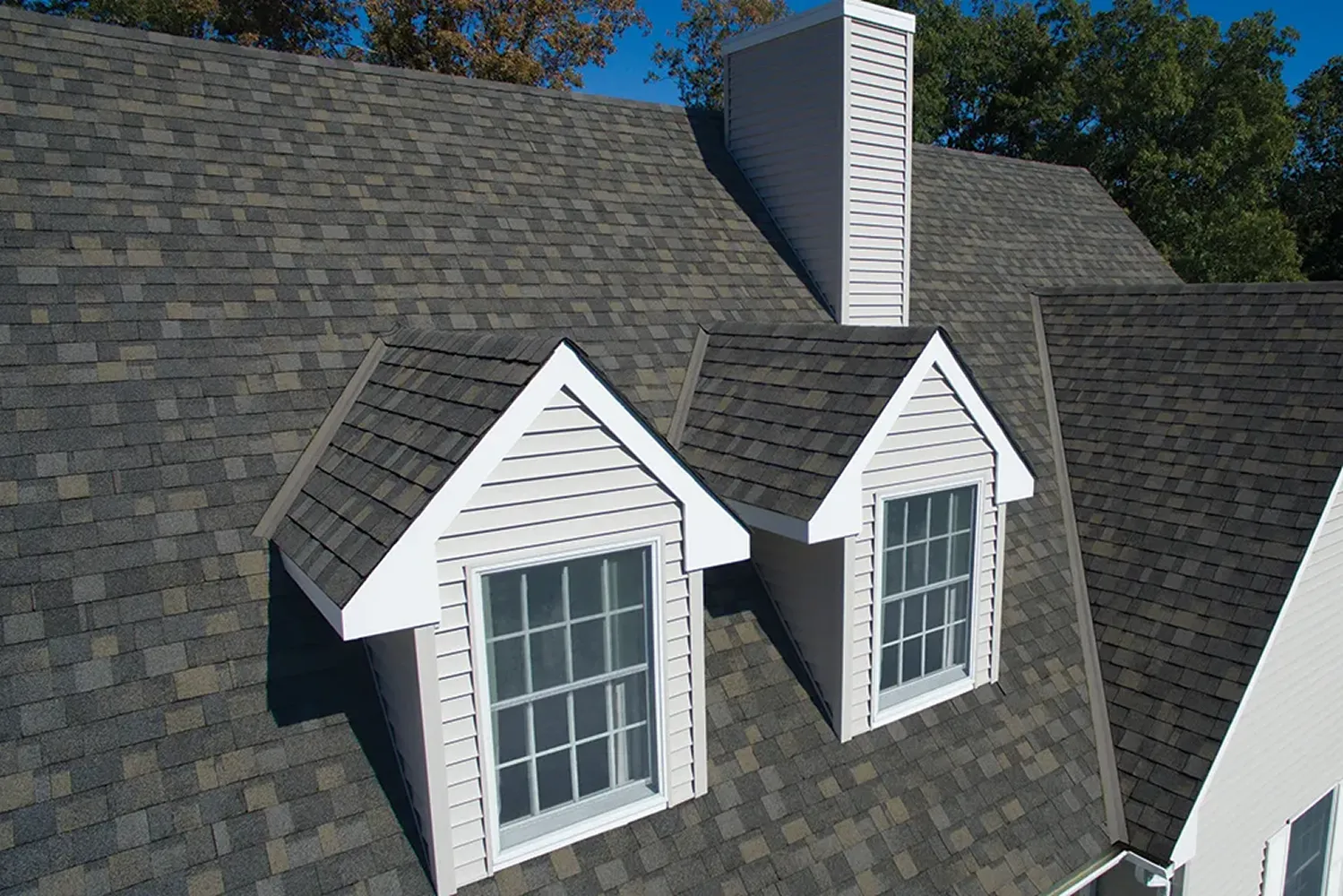
Shingles have a set lifespan, and once they near the end of it, they start to show their age. This usually looks like curling edges, cracked surfaces, or shingles that blow off completely during high winds. If you can see bald patches or missing shingles from the ground, that's typically a sign an inspection is overdue.
Storm damage can look different from ordinary wear, and it's often harder to spot without climbing up top. A few things point more toward a recent storm than plain age:
- Small dark bruises or dents scattered across the shingle surface
- Granules collecting in gutters, downspouts, or on the ground below
- Cracked or dented vent caps, flashing, or other soft metal
- Exposed black matting where hail has knocked the granules loose
2. Rising Energy Costs
High heating and cooling bills can be one of the least obvious signs of a failing roof, yet they're often one of the first things homeowners notice. The connection runs through your attic. Once a roof loses its ability to trap and vent heat properly, your air conditioner and furnace have to work harder to keep up, and that extra effort shows up on your utility bill.
An inspector can usually tell you whether your attic is the source of the problem or something else is driving the cost up. Checking insulation levels, sealing gaps around vents and flashing, and confirming attic ventilation is working properly can be a fairly quick fix, and it often costs far less than starting over completely.
3. Dry, Dark, or Discolored Shingles
Shingles fade a little over time, yet a shingle that looks dry, dark, or blotchy in patches is usually telling you something more specific. This kind of discoloration often means the shingle has reached the end of its factory-rated life, and the protective granules are wearing thin.
A professional roof inspection can look closely at shingle coloration and tell you whether age is the real cause or whether something else, like a manufacturing defect or hidden moisture, is behind it.
This distinction actually matters for your wallet. Age-related wear is expected and usually means a replacement is coming. A defect might qualify for coverage under a manufacturer's warranty instead.
Some contractors, including Blue Nail Roofing & Construction, look at repair options first and only recommend full replacement when a fix genuinely isn't enough. Either way, a fairly quick look from a professional can save you from guessing.
4. Ceiling Stains, Mold, or Mildew
Not every roofing problem shows up outside. Some of the clearest signals actually appear on your ceiling, which is why a walk through your home is worth doing every so often. A damaged or aging roof will typically produce mold or mildew around light fixtures, smoke detectors, and ceiling panels, sometimes well before any exterior damage becomes obvious.
These stains usually start small, a faint yellow or brown ring, and they tend to spread the longer the source goes unaddressed. If you spot one, check the attic directly above that spot for damp insulation or dark staining on the wood.
Catching mold early matters for your health, too, since it can affect indoor air quality long before it becomes a structural issue.
5. Attic Leaks After Heavy Rain
A leaky attic is one of the more reliable signs that a roof needs attention right away. If you suspect a roof leak, the best time to check is right after a big storm, when water has had the chance to find its way in.
Head up to the attic with a flashlight and look along the roof deck, the rafters, and anywhere pipes or vents pass through the roof. Damp insulation, dark streaks on wood, or a musty smell are all worth taking seriously, even without visible dripping water.
Waiting too long after a suspected leak can lead to worse outcomes, including mold growth, damaged ceilings, and higher repair costs down the road.
Why Do Dallas-Fort Worth Roofs Wear Out Faster Than Average?
North Texas roofs face a tougher environment than most of the country, and that shows up in how often the five signs above tend to appear. Hail is the biggest factor here. A single severe storm can leave a roof looking fine at first, then show up months later as a leak.
A few things make this region especially hard on roofing materials:
- Warm, moist air moving up from the Gulf of Mexico feeding storm systems
- Cooler fronts from the north colliding with that warm air
- Wide seasonal temperature swings that stress shingles and flashing
- Frequent high wind events that can loosen or lift shingles
Any homeowner working with a Dallas-Fort Worth roofing company will likely hear about hail more than almost any other topic, and that's simply a reflection of how often it happens here. A roof that's five or six years old in this region has usually weathered more severe storms than a much older roof somewhere calmer.
Regular checkups, especially after a bad storm, are the most practical way to keep a hail damage roof problem from turning into a bigger repair.
Frequently Asked Questions
How Much Does A Roof Inspection Cost?
Cost really depends on the size of your roof and the company you call, yet a standard inspection typically runs somewhere between $150 and $400 for an average home. Some companies offer a free inspection as part of a repair estimate, which is worth asking about before you book anything.
A roof inspection is usually far cheaper than the repair bill that comes from ignoring a problem for another season.
Does Homeowners Insurance Cover Storm And Hail Damage In Texas?
Most standard homeowners policies in Texas cover hail and wind damage, and coverage details and deductibles vary quite a bit between insurers. Many Texas policies use a separate wind and hail deductible, which is often a percentage of your home's value rather than a flat dollar amount.
Calling your insurance agent directly is a fairly quick step, since deductible structures and claim windows can differ significantly from one policy to the next.
How Long Does A Roof Replacement Take?
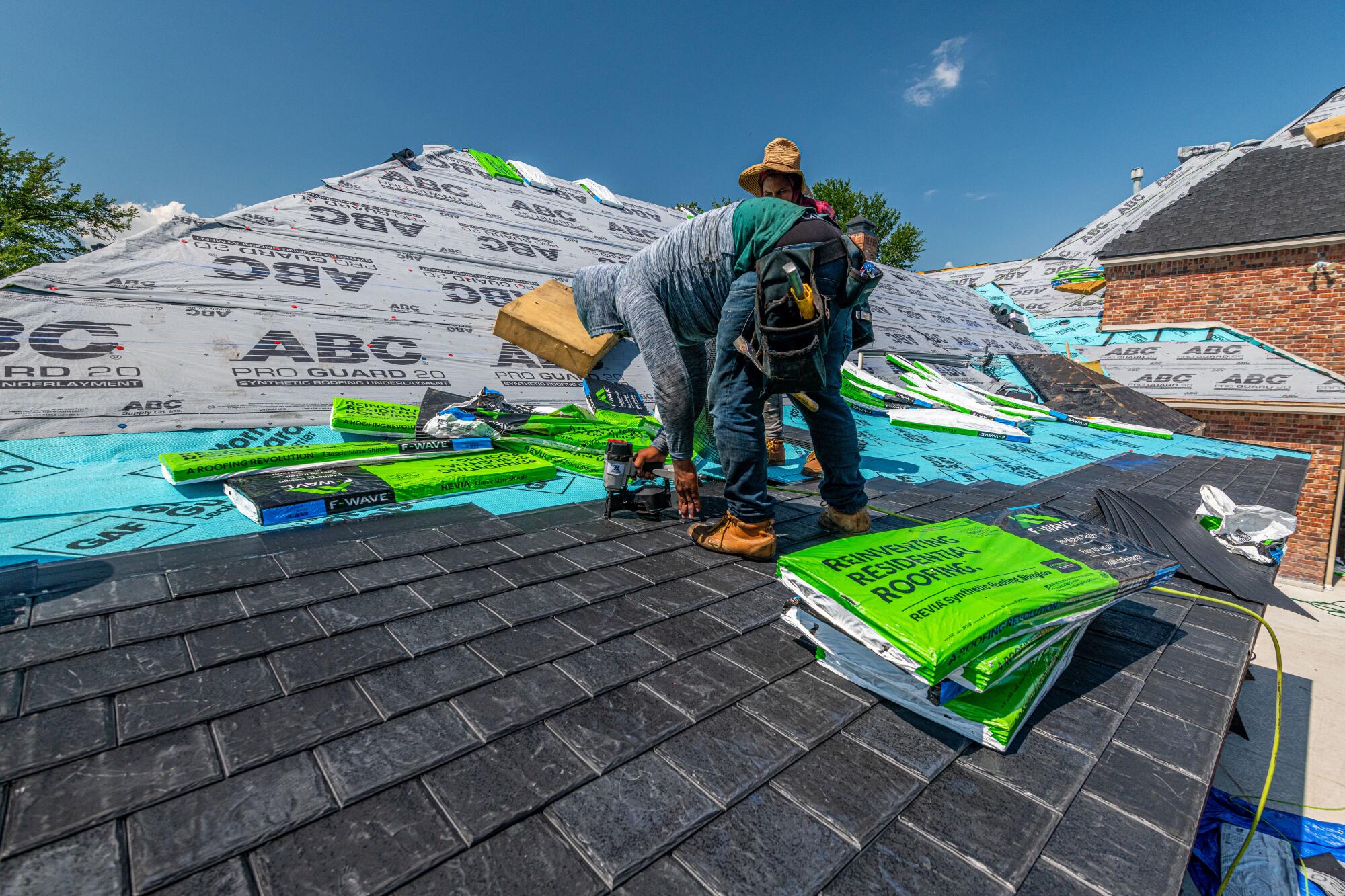
A typical residential roof replacement takes one to three days for most homes in the Dallas-Fort Worth area, and weather can push that timeline back a little. Larger homes, steep rooflines, or extra layers of old shingles that need removing can add time to the job. Commercial roofs tend to take significantly longer, sometimes weeks, since the scale and materials involved are usually a lot bigger.
Can I Inspect My Own Roof, Or Do I Need A Professional?
A basic visual check from the ground, using binoculars if you have them, is something almost anyone can do safely. Climbing onto the roof itself is a different story, and it's honestly not something most homeowners should attempt without proper safety gear.
A professional inspector knows what subtle signs of hail bruising or granule loss actually look like, too, which takes practice to spot.
How Do I Know If Hail Has Damaged My Roof?
Hail damage can be surprisingly hard to see from the ground, and that's part of what makes it tricky. Dented gutters, dinged air conditioning units, or damaged window screens are decent clues that hail hit your property hard enough to affect the roof too.
If you notice any of these signs after a storm, calling a professional for a closer look is a fairly smart next step.
Protect Your Home With Blue Nail Roofing & Construction
Curling shingles, rising energy bills, discoloration, ceiling stains, and attic leaks are the five signs that most often lead to roof repairs. Catching even one early keeps a small job small.
Blue Nail Roofing & Construction has served North Texas and Dallas-Fort Worth since 2009, and favors repair whenever a roof can be saved, moving to replacement only when repair no longer makes sense. The team also holds GAF Master Elite certification, held by only 2% of roofing contractors nationwide.
Contact us for a free assessment before a small warning sign turns into a costly repair bill.
Have More Questions? We’ve Got the Answers.
Continue browsing expert tips, project highlights, and home‑improvement advice, or reach out now to discuss your next project.
Schedule Your Free Expert Assessment Today!
Protect your investment with expert roof maintenance and repair services from Blue Nail Roofing & Construction